
Uruguay Digital Nomad Visa - 2026 Update
)
Nadia Dardón
Immigration Content Writer
Last update
)

Uruguay Rating from Citizen Remote
Overall  3.8
3.8

Internet Infrastructure 3.0
Country Stability 3.0
Cost of Living 3.0
Ease of Obtaining Visa 5.0
Taxes 5.0
Quick Visa Facts

Visa length 180 days (6 months)

Possible to extend? Yes, once for an additional 180 days (up to 12 months total)

Who can apply? Remote workers, freelancers, and self-employed professionals working for companies or clients outside Uruguay

Minimum Income Requirements No official minimum, but applicants must demonstrate sufficient financial means (many budget around $1,500–$2,000 USD per month)

Time for visa applications Typically a few weeks, up to around 30 days depending on the application
Want to know if you can apply?
Complete a visa quiz and see if you qualify!
We’ve updated this guide in March 2026 to keep everything accurate and easy to follow. A few sections have been refreshed to reflect the latest details on the application process, costs, and requirements.
Dreaming of working remotely from a country with stunning coastlines, a laid-back lifestyle, and one of the highest standards of living in South America? Uruguay has introduced the Digital Nomad Permit (commonly known as the Uruguay digital nomad visa) to make that dream a reality. This program allows remote workers, freelancers, and entrepreneurs to live in Uruguay while working for clients or companies abroad, with a simple application process and no visa fee.
With its reliable internet, vibrant cultural scene, and strong reputation for safety and stability, Uruguay is quickly becoming a top choice for digital nomads looking for a base in Latin America. Whether you want to settle into a cozy café in Montevideo, enjoy the beaches of Punta del Este, or experience the slower pace of small-town life, the Uruguay digital nomad visa offers a flexible way to live and work abroad.
In this guide, we’ll walk you through everything you need to know about the Uruguay digital nomad permit, from eligibility and required documents to taxes, application steps, and what life in Uruguay is really like for remote workers.
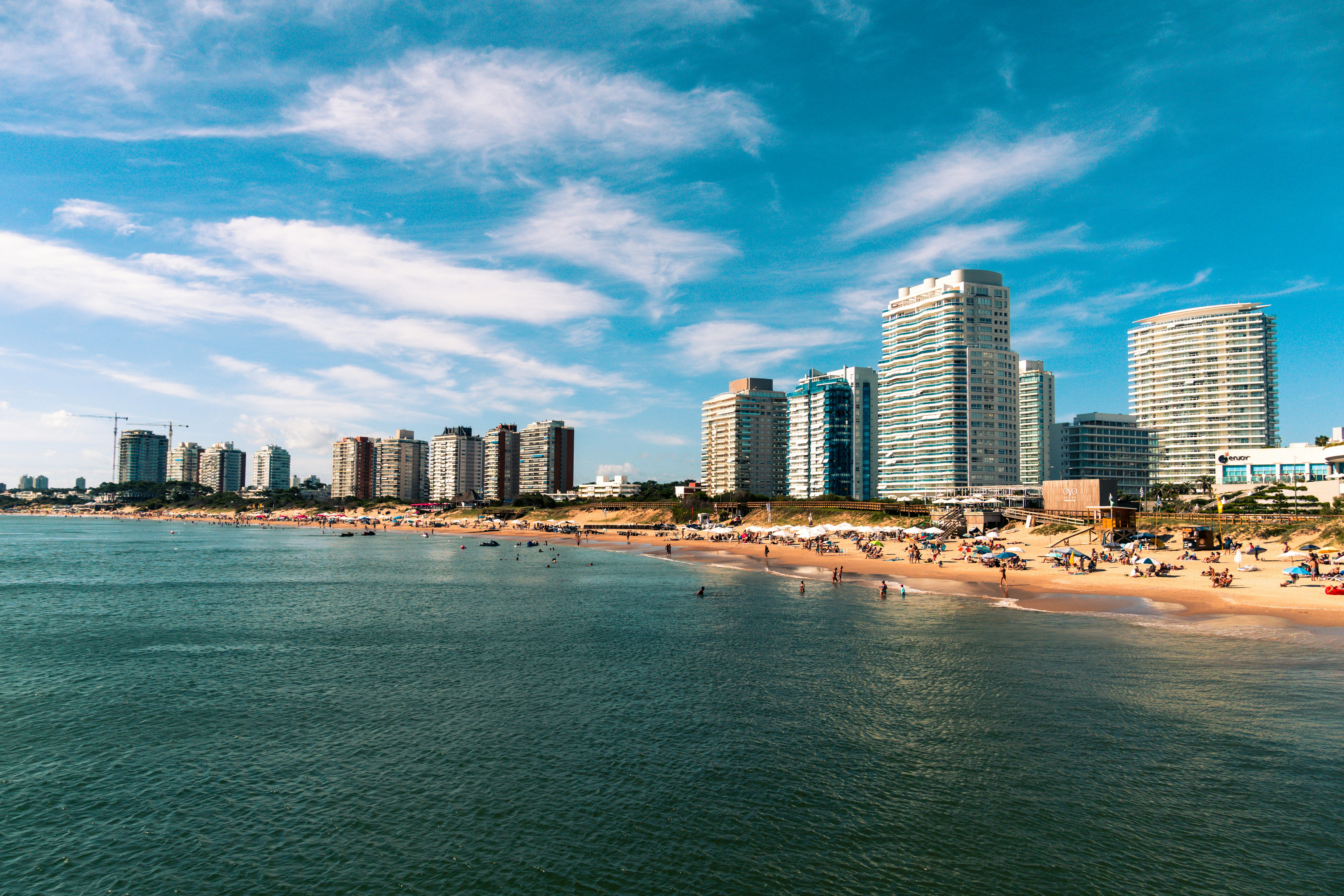
Uruguay Digital Nomad Visa Overview
Uruguay introduced a legal framework for digital nomads in 2023, making it possible for remote workers, freelancers, and self-employed professionals working for companies outside the country to apply for a Digital Nomad Permit.
This permit allows foreign remote workers to live and work legally in Uruguay for an initial period of 180 days (6 months), with the option to extend for another 180 days. While it does not automatically grant residency, it can serve as a starting point for those who later choose to explore temporary or permanent residence options.
Who Is It For?
Remote workers, freelancers, and self-employed professionals working for companies or clients outside Uruguay.
Foreign nationals already in Uruguay (for example, on a tourist stay) who want to remain in the country legally while continuing remote work.
Digital nomads who can demonstrate sufficient financial means and meet basic requirements, such as a clean criminal record if requested.
What Does It Allow You to Do?
Legally stay in Uruguay for 180 days, with the option to extend for an additional 180 days (up to 12 months total)
Work remotely while living in Uruguay, as long as your employer or clients are based abroad.
Obtain a provisional Uruguayan identity document, which can help with administrative tasks during your stay.
Explore longer-term stay options, such as temporary or permanent residency, if you decide to remain in Uruguay.
Uruguay Digital Nomad Visa Requirements
Here are the main Uruguay digital nomad visa requirements and documents you’ll need to apply for the Digital Nomad Permit.
Basic documents needed:
Valid passport (original plus copy)
Completed online application form with personal information.
Signed sworn declaration confirming you can financially support yourself during your stay
Proof of entry into Uruguay (such as your passport stamp or travel record)
Proof of Financial Self-Sufficiency
Applicants must submit a sworn declaration confirming they have sufficient financial means to support themselves while living in Uruguay.
There is no official minimum income requirement
However, you should be able to demonstrate consistent income, savings, or client contracts if requested
As a general guideline, many digital nomads budget around $1,500–$2,000 USD per month for a comfortable lifestyle
Clean Criminal Record
For the initial application, you may only need to sign a statement affirming you have no serious criminal record.For the six-month extension, you must provide official certificates showing you have no criminal or judicial record in:
Your country of origin, and
Any country where you’ve lived for more than six months in the last five years.
Private Health Insurance / Vaccination Records
Applicants must hold valid health coverage for the duration of their stay in Uruguay. Travel insurance is not accepted; it must be long-term residency health insurance. You can find our recommendations for the best health insurance plans for digital nomads here.
A vaccination certificate issued by an institution authorized by Uruguay’s Ministry of Public Health is required. This must include proof of standard vaccines (such as tetanus and measles). For extensions, this vaccination record must be issued within Uruguay.
Vaccination Requirements
In some cases, applicants may be asked to provide a vaccination certificate issued by a recognized health authority in Uruguay.
This is not always required for the initial application.
Requirements may vary depending on your situation or if you apply for an extension.
How to Apply for the Uruguay Digital Nomad Visa – Step-by-Step Instructions
Applying for the Uruguay Digital Nomad Permit is a simple process handled by the National Migration Office (Dirección Nacional de Migración). Here’s how it works:
Step 1: Enter Uruguay
You must be physically in Uruguay to apply. Most nationalities can enter visa-free as tourists and begin the application process after arrival.
Step 2: Complete the Online Application Form
Once in Uruguay, you’ll need to visit the official immigration website and select “Residencia Provisoria – Nómadas Digitales.” You’ll fill out a short online form with your personal details and upload basic documents, including a copy of your passport and a sworn declaration confirming that you can financially support yourself during your stay. The process is intentionally straightforward and does not require extensive documentation at this stage.
Step 3: Pay the Application Fee
After completing the form, submit your application online. Uruguay does not charge a standard visa fee for the digital nomad permit, although a small administrative fee (typically around $10–$15 USD) may apply at a later stage of the process, depending on your application.
Step 4: Complete the Process in Uruguay
Once your application is reviewed, you may be asked to complete additional steps in person. This can include visiting a migration office, presenting original documents if requested, or proceeding with the issuance of your provisional identity document. Any applicable administrative fees are usually paid locally at this stage.
Step 5: Receive Your Digital Nomad Permit
Once approved, you will be granted a Digital Nomad Permit valid for 180 days (6 months). You can also apply for a provisional Uruguayan identity document (cédula), which can make everyday tasks such as renting accommodation or accessing local services much easier during your stay.
Step 6: Extend Your Stay (Optional)
Before your initial permit expires, you can apply for a one-time extension of another 180 days, allowing you to stay in Uruguay for up to 12 months in total. If you decide to remain longer, you may also explore pathways to temporary or permanent residency, which involve additional requirements.
Uruguay Stay Requirements
Holders of the Uruguay Digital Nomad Permit can stay in the country for up to 180 days (6 months) under the initial authorization. During this time, you should ensure that your passport remains valid for the duration of your stay and that you maintain appropriate health coverage while living in Uruguay.
If you wish to remain in Uruguay beyond the initial period, you can apply for a one-time extension of an additional 180 days, allowing for a total stay of up to 12 months. As part of the extension process, you may be asked to provide additional documentation, such as criminal record certificates from your country of origin and from any country where you have lived for more than six months in the past five years.
While living in Uruguay under this permit, you are expected to work remotely for employers or clients based outside the country. The permit does not allow you to take up local employment or enter the Uruguayan labor market.
If you decide to stay in Uruguay long-term, you may explore options to apply for temporary or permanent residency. This is a separate process with its own requirements and is not automatically granted through the digital nomad permit.
How Much Does the Uruguay Digital Nomad Visa Cost?
Applying for the Uruguay Digital Nomad Permit is very affordable, especially compared to most other digital nomad visas.
There is no standard government visa fee to apply for the permit. However, during the process, you may be required to pay a small administrative fee, typically around $10–$15 USD (approximately 500–600 Uruguayan pesos). This is usually paid locally in Uruguay at a later stage of the application rather than online.
In addition to this minor cost, you should budget for potential related expenses depending on your situation. These can include obtaining official documents such as criminal record certificates, paying for translations or legalization if required, and securing private health insurance for the duration of your stay. You may also incur optional costs if you choose to apply for a provisional Uruguayan ID after your permit is approved.
Overall, Uruguay remains one of the most cost-effective digital nomad visa options, with minimal upfront fees and a simple application process. Your total expenses will largely depend on your personal circumstances and the documents you need to provide.
Common Reasons Uruguay Digital Nomad Visa Applications Get Denied
While Uruguay’s Digital Nomad Permit is relatively easy to obtain, some applications may still be rejected if basic requirements are not met.
One of the most common reasons is incomplete or incorrect documentation, such as missing information in the application form or failing to provide a valid passport copy. Even though the process is simple, accuracy matters.
Another frequent issue is insufficient proof of financial means. Although there is no fixed minimum income requirement, applicants must still demonstrate that they can support themselves during their stay. A weak or unclear financial declaration can raise concerns.
Applications may also face issues if there are problems related to a criminal background, especially when applying for an extension or longer stay. Providing inconsistent or missing records from relevant countries can delay or negatively impact your application.
Finally, failing to follow the correct process, such as not completing the required steps in Uruguay after applying online, can result in delays or rejection.
To avoid problems, make sure all your documents are clear, accurate, and consistent, and follow each step of the process carefully.

Taxes for People With a Uruguay Digital Nomad Visa
One of the biggest advantages of the Uruguay Digital Nomad Permit is its favorable tax system for remote workers. Uruguay operates under a territorial tax system, meaning that income earned from foreign sources is generally not taxed.
In most cases, individuals staying in Uruguay under the digital nomad permit are not automatically considered tax residents, especially if their stay is temporary. This means that income earned from foreign employers or clients is typically not subject to Uruguayan income tax.
However, there are some important points to keep in mind:
Duration of stay and tax residency: If you spend more than 183 days in Uruguay within a calendar year, you may be considered a tax resident. However, tax residency can also be determined by other factors, such as having your primary economic interests or personal ties in Uruguay.
Foreign vs. local income: To benefit from Uruguay’s tax advantages, your income must come from foreign sources. Any income earned within Uruguay or from Uruguayan clients may be subject to local taxation.
Social security considerations: Digital nomads working for foreign employers or clients are generally not required to contribute to Uruguay’s social security system. However, you should ensure compliance with any obligations in your home country or country of tax residence.
Record keeping: It’s advisable to maintain clear documentation of your income sources, contracts, and payments to demonstrate that your earnings originate from outside Uruguay if required by authorities.
Overall, Uruguay offers a highly attractive tax environment for digital nomads, allowing you to live in the country while continuing to earn foreign income without additional local tax burdens in most cases.

Living in Uruguay with the Digital Nomad Visa
Uruguay offers a relaxed yet modern lifestyle that makes it an attractive destination for digital nomads. Cities like Montevideo and Punta del Este provide reliable internet, a growing network of coworking spaces, and vibrant cultural scenes, including cafes, restaurants, and local markets. Smaller towns and coastal areas give you the chance to enjoy a slower pace of life, with access to beautiful beaches, parks, and nature. Safety and political stability are also key advantages, allowing digital nomads to focus on work and leisure without the stress often found in larger or less stable countries.
The cost of living in Uruguay is moderate compared to other Western countries, though it can vary depending on lifestyle and location. Renting an apartment in Montevideo or Punta del Este is more expensive than in smaller towns, but overall, remote workers can comfortably cover living expenses on a monthly budget of around USD $1,500–$2,000. Health care is accessible, and with private health insurance as required by the digital nomad permit, you can ensure comprehensive coverage. Living in Uruguay also offers the opportunity to immerse yourself in local culture, enjoy fresh cuisine, and connect with a growing community of international remote workers.
Best Cities to Live in Uruguay
Montevideo
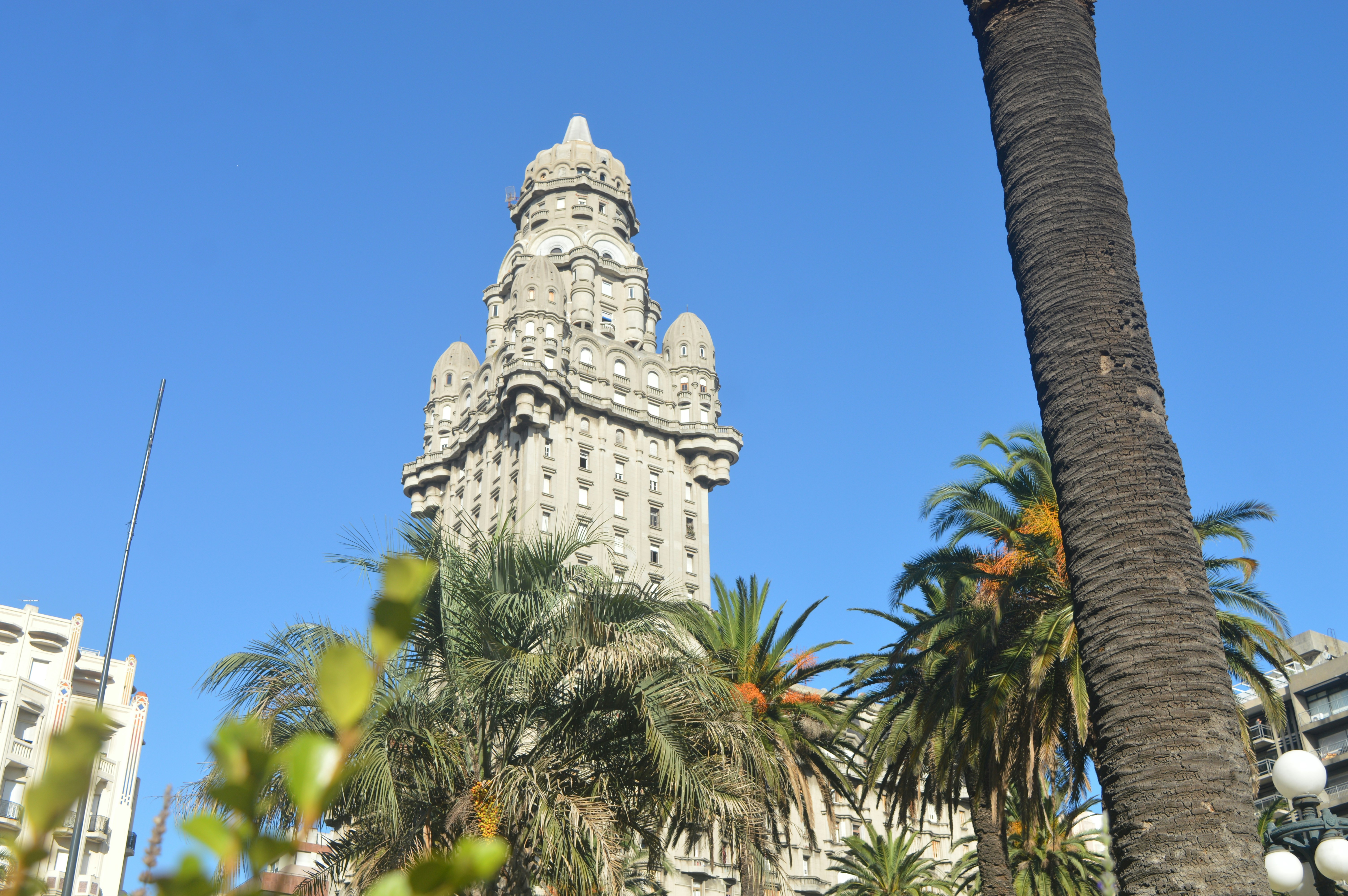
Montevideo, the capital and largest city of Uruguay, is a vibrant hub for digital nomads. The city combines modern infrastructure with historic charm, featuring lively neighborhoods, beachfront promenades, and a thriving cultural scene. Montevideo offers reliable high-speed internet, numerous coworking spaces, and plenty of cafes and restaurants where remote workers can set up shop. Its mix of urban convenience and relaxed coastal living makes it ideal for those seeking both productivity and leisure.
Punta del Este

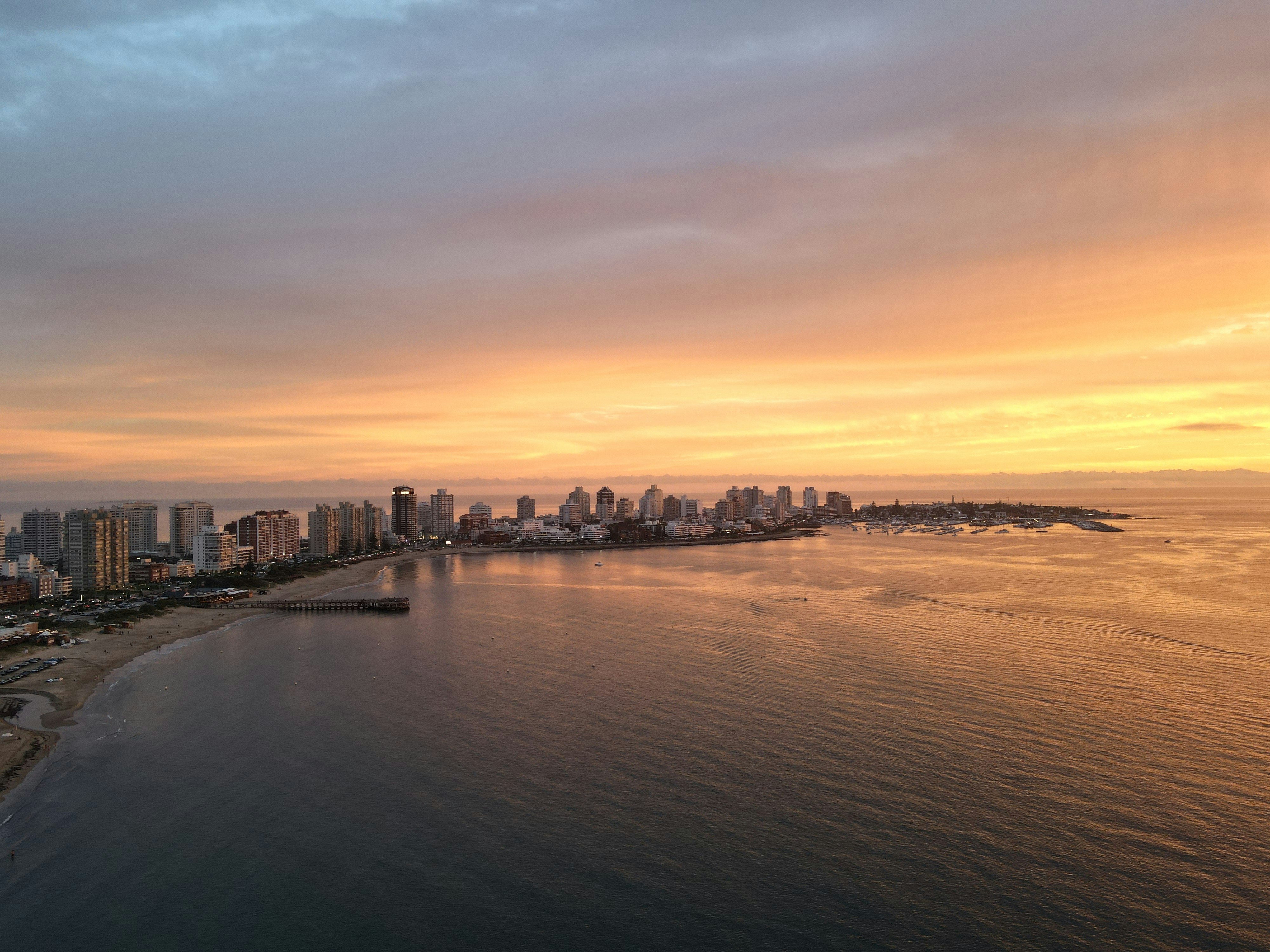
Known as Uruguay’s premier beach destination, Punta del Este is perfect for digital nomads who want to combine work with a resort-like lifestyle. This city is famous for its stunning beaches, luxury amenities, and vibrant nightlife. While the cost of living is higher than in other parts of Uruguay, Punta del Este offers excellent internet connectivity, coworking hubs, and opportunities to network with other international residents. Its energetic atmosphere is well-suited for those who want to balance work with a dynamic social and cultural life.
Colonia del Sacramento
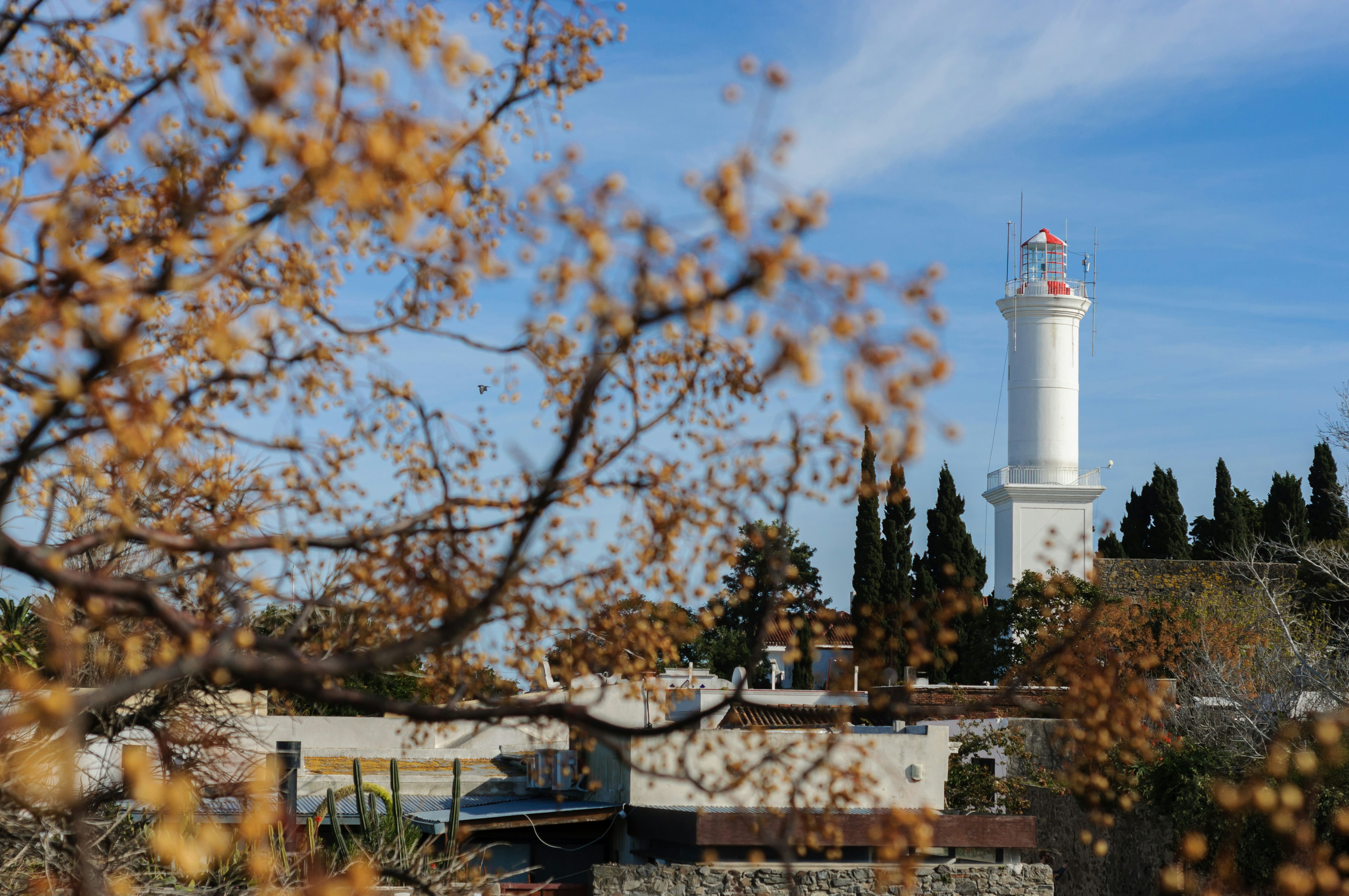
Colonia del Sacramento is a historic town with a slower pace of life, ideal for digital nomads looking for tranquility. Its cobblestone streets, colonial architecture, and scenic riverside views create a charming environment that’s both picturesque and peaceful. Internet connectivity is reliable enough for remote work, and the town offers a variety of cafes and quiet spots to focus on projects. Colonia is perfect for those who want to immerse themselves in culture, enjoy a relaxed lifestyle, and stay connected while working remotely.
Cost of Living
The official currency of Uruguay is the Uruguayan Peso (UYU). As of September 18, 2025, the exchange rate is approximately 1 USD = 39.99 UYU
The average net monthly salary in Uruguay is around 41,717 UYU, which equates to approximately $1,670 USD
Here’s a rundown of what you should expect to pay in different cities:
Montevideo
Rent (1 bedroom in city center): Approximately $900 USD.
Rent (3 bedrooms outside city center): Approximately $1,200 USD.
Basic Utilities (electricity, heating, cooling, water, garbage): Approximately $160 USD.
Wi-Fi (60 Mbps or more, unlimited data): Approximately $31 USD.
Public Transport (one-way ticket): Approximately $1.30 USD.
Groceries (2 people): Approximately $960 USD.
Punta del Este
Rent (1 bedroom in city center): Approximately $1,500 USD.
Rent (3 bedrooms outside city center): Approximately $2,000 USD.
Basic Utilities (electricity, heating, cooling, water, garbage): Approximately $151 USD.
Wi-Fi (60 Mbps or more, unlimited data): Approximately $28 USD.
Public Transport (one-way ticket): Approximately $1.30 USD.
Groceries (2 people): Approximately $960 USD.
Colonia del Sacramento
Rent (1 bedroom in city center): Approximately $800 USD.
Rent (3 bedrooms outside city center): Approximately $1,100 USD.
Basic Utilities (electricity, heating, cooling, water, garbage): Approximately $160 USD.
Wi-Fi (60 Mbps or more, unlimited data): Approximately $40 USD.
Public Transport (one-way ticket): Approximately $1.30 USD.
Groceries (2 people): Approximately $960 USD.
FAQs
Who is eligible for the Uruguay Digital Nomad Visa?
The Uruguay digital nomad visa (officially the Digital Nomad Permit) is available to foreign nationals who work remotely for companies or clients outside Uruguay. Freelancers, self-employed professionals, and employees of non-Uruguayan companies are eligible, as long as they can demonstrate financial self-sufficiency and meet the basic requirements.
How long is the Uruguay Digital Nomad Permit valid?
The initial permit is valid for 180 days (6 months). It can be extended once for an additional 180 days, allowing a total stay of up to 12 months. After that, applicants may explore options to apply for temporary or permanent residency if they wish to stay longer.
Can I work for a local Uruguayan company while on this visa?
No. The digital nomad permit only allows you to work remotely for employers or clients based outside Uruguay. You cannot take up local employment while on this permit.
Do I have to pay taxes in Uruguay while on the digital nomad permit?
Uruguay operates a territorial tax system, meaning income earned from foreign sources is generally not taxed. However, if you stay in Uruguay for more than 183 days in a year, or establish strong ties to the country, you may be considered a tax resident and could be liable for additional taxes.
Can I bring my family with me on the digital nomad permit?
The permit is typically issued to the main applicant. Family members may need to apply for a separate visa or residence permit depending on their situation. It’s best to check with Uruguay’s National Migration Office for the latest guidance.
How long does it take to get the Uruguay digital nomad visa?
Processing times are generally fast and can take anywhere from a few weeks to around 30 days, depending on your application and whether additional documents are required.
Is the Uruguay digital nomad visa really free?
There is no standard government visa fee to apply for the permit. However, a small administrative fee (usually around $10–$15 USD) may apply at a later stage of the process.
Do I need to apply from outside Uruguay?
No. You must apply while physically in Uruguay. Most applicants enter as tourists and then complete the application online from within the country.
Author
)
Nadia Dardón is a content creator from Guatemala. She has worked fully remotely for the past six years as a copywriter, editor, and content creator, working for different industries. She started her digital nomad journey in 2022 and currently lives as an expat in Spain.


