
South Africa Digital Nomad Visa — 2026 Update
)
Nadia Dardón
Immigration Content Writer
Last update
)

South Africa Rating from Citizen Remote
Overall  3.6
3.6

Internet Infrastructure 4.0
Country Stability 2.0
Cost of Living 5.0
Ease of Obtaining Visa 4.0
Taxes 3.0
Quick Visa Facts

Visa length Up to 1 year (12 months)

Possible to extend? Yes, the visa is renewable for up to 36 months (3 years)

Who can apply? Remote workers and digital nomads employed by or contracted to foreign companies outside South Africa.

Minimum Income Requirements At least ZAR 650,976 per year (approximately $38500 USD)

Time for visa applications Typically 4–8 weeks after submitting a complete application, depending on the embassy or consulate
Want to know if you can apply?
Complete a visa quiz and see if you qualify!
This article was updated in 2026 to reflect the latest information on the South Africa Digital Nomad Visa, including the revised income requirement and current application guidelines.
If you’ve ever dreamed of swapping your home office for views of Table Mountain or working remotely from a beachside café in Cape Town, South Africa’s new Digital Nomad Visa might be exactly what you’re looking for. This visa is designed for remote workers and freelancers who want to live in South Africa while working for clients or companies abroad.
Whether you’re coding from coworking hubs in Johannesburg, writing from a vineyard in Stellenbosch, or designing from Durban’s coastline, this visa opens the door to experiencing South Africa’s vibrant culture, stunning landscapes, and affordable lifestyle, without giving up your career.
In this guide, we’ll walk you through everything you need to know about the South Africa Digital Nomad Visa: who it’s for, how to apply, what documents you’ll need, and what to expect once you're there.
South Africa Digital Nomad Visa Overview
The South Africa Digital Nomad Visa allows remote workers to live in South Africa for up to 12 months initially, with the option to renew annually for a total stay of up to 3 years, provided all eligibility requirements continue to be met.
The visa was officially added to South Africa’s Immigration Regulations on 28 March 2024, but it only became fully operational in March 2025, when applications officially opened.
Designed to attract global talent, this visa provides a legal pathway for remote professionals to live in South Africa while continuing to work for companies or clients based abroad. It forms part of the government’s broader strategy to boost tourism, stimulate the local economy, and position South Africa as a competitive destination for digital nomads.
Unlike traditional work visas, the Digital Nomad Visa is specifically tailored for location-independent professionals earning income outside South Africa. This makes it an ideal option for freelancers, remote employees, consultants, and online business owners looking for a long-term stay without needing a local work permit.
Who Is It For?
The South Africa Digital Nomad Visa is designed for:
Remote employees working for companies based outside South Africa
Freelancers or consultants with international clients
Digital entrepreneurs running online businesses abroad
To qualify, applicants must:
Earn a minimum annual income of ZAR 650,976 (latest official threshold)
Hold valid international health insurance
Prove that their employment or business activities are based outside South Africa
What Does It Allow You to Do?
With a South Africa Digital Nomad Visa, you can:
Live legally in South Africa while working remotely
Stay for up to 12 months, with the option to renew
Travel freely within the country during your stay
Apply together with dependents (spouse and children)
However, visa holders are not permitted to:
Work for South African employers
Provide services to South African clients
South Africa Digital Nomad Visa Requirements
To apply for the South Africa Digital Nomad Visa, you’ll need to prepare and submit a combination of standard visa documents and remote work-specific requirements. Below is a complete and up-to-date breakdown based on the latest official guidance.
Applicants must provide:
Completed South African Temporary Residence Visa Application Form (DHA-1738)
A valid passport (must be valid for the full duration of your stay and at least 30 days beyond your intended departure date, with at least two blank pages)
Two recent passport-sized photographs (meeting South African requirements)
A cover letter outlining your reason for applying and the intended length of stay
Proof of accommodation in South Africa (hotel booking, rental agreement, or invitation letter)
A police clearance certificate from every country where you have lived for more than 12 months in the past 5 years
A completed medical report (Form BI-811) and a radiological report (Form BI-806)
Proof of payment of the visa application fee
Marriage or birth certificates (if applying with dependents)
Proof of Financial Self-Sufficiency
To qualify for the South Africa Digital Nomad Visa, you must demonstrate that you meet the minimum income requirement. Applicants must earn at least ZAR 650,976 per year (latest official threshold).
Your income must:
Be stable and ongoing
Be earned from outside South Africa
Not be derived from South African employers or clients
Accepted proof of income includes:
Employment contracts or letters from foreign employers
Recent bank statements showing consistent income
Tax returns or payslips
Invoices and payment confirmations (for freelancers or consultants)
Private Health Insurance
Applicants must provide proof of valid international health insurance that covers them for the entire duration of their stay in South Africa.
Your insurance policy must:
Be internationally recognized and valid in South Africa
Cover both outpatient and inpatient care
Include emergency medical treatment
Cover any accompanying dependents (if applicable)
Travel insurance is not accepted; it must be long-term residency health insurance. You can find our recommendations for the best health insurance plans for digital nomads here.
How to Apply for the South Africa Digital Nomad Visa: Step-by-Step Instructions
Applying for the South Africa Digital Nomad Visa is a relatively straightforward process, but it’s essential to follow each step carefully and prepare your documents in advance. Since applications officially opened in March 2025, the process is now fully operational through South African embassies and visa centers worldwide.
Step 1: Confirm You Meet the Eligibility Criteria
Before starting your application, make sure you meet the core requirements:
Work remotely for a foreign employer, clients, or business
Earn at least ZAR 650,976 per year (latest official threshold)
Generate your income from outside South Africa
Hold valid private health insurance
Have a valid passport with at least two blank pages
Do not intend to work for South African companies or clients
If you meet these criteria, you can proceed with your application.
Step 2: Gather All Required Documents
Before your appointment, make sure you’ve prepared all required documents listed in the visa requirements section above, including proof of income, health insurance, and supporting personal documents. It’s important that all documents are complete, up to date, and, where required, officially certified or translated.
Step 3: Book an Appointment at a South African Mission
You must apply in person at a South African embassy, consulate, or visa application center in your country of residence. Applications are generally not accepted from within South Africa.
Visit the official website of the South African mission in your country
Book an appointment for your visa submission
Check whether the mission uses a third-party provider (such as VFS Global)
Step 4: Submit Your Application
Attend your appointment and submit:
All completed forms and supporting documents
Your biometric data (fingerprints and photographs)
Payment of the visa application fee
Make sure all documents are originals or certified copies, and bring extra photocopies if possible.
Step 5: Wait for Processing
Processing times typically range from 4 to 8 weeks, depending on the embassy or visa center. In some cases, you may be asked to provide additional documents or attend a follow-up interview.
Step 6: Receive Your Visa and Travel to South Africa
If your application is approved, the visa will be placed in your passport. You can then travel to South Africa and begin your stay as a digital nomad.
How Much Does the South African Digital Nomad Visa Cost?
The base application fee for the South Africa Digital Nomad Visa is ZAR 425, payable to the Department of Home Affairs when submitting your application.
If you apply through a visa facilitation center such as VFS Global, you will also need to pay an additional service fee, which varies depending on your location but is typically in the range of ZAR 900 to ZAR 2,000 (approximately USD $50–$110).
Some visa centers also offer optional premium services (such as priority processing or lounge access), which may cost around ZAR 500 or more, depending on the provider.
Additional Costs to Consider
In addition to the visa fee, applicants should budget for supporting documents, including:
Police clearance certificates from each country you’ve lived in for more than 12 months in the past 5 years
Medical and radiological reports, which may cost more if completed through private providers
Certified translations, if any documents are not in English
These costs vary significantly depending on your country of residence and service providers.
Total Estimated Cost
In total, most applicants can expect to spend approximately ZAR 2,500 to ZAR 6,000 (around USD $150–$320) on the full application process.
This estimate typically includes:
Visa application fee
Visa center service fees
Medical and police documentation
Miscellaneous administrative costs
This does not include:
Health insurance
Travel expenses
Accommodation
Legal or relocation services
Common Reasons South Africa Digital Nomad Visa Applications Get Rejected
Although the South Africa Digital Nomad Visa is designed to be accessible, applications can still be rejected if key requirements are not clearly met or properly documented.
One of the most common issues is failing to meet or clearly prove the minimum income requirement. Applicants must demonstrate that they earn at least ZAR 650,976 per year from foreign sources. If your financial documents are inconsistent, incomplete, or unclear, your application may be refused.
Another frequent reason is insufficient proof of remote work. Authorities need to verify that you are employed by a foreign company or work with international clients. Without clear contracts, client agreements, or employer letters, your application may not meet the eligibility criteria.
Incomplete or incorrect documentation is also a major cause of rejection. Missing police clearance certificates, outdated medical or radiological reports, or errors in the application form (DHA-1738) can lead to delays or denial.
Applicants may also be refused if they fail to provide valid international health insurance that covers the full duration of their stay in South Africa.
Finally, inconsistencies across your application — such as mismatched dates, unclear travel plans, or conflicting financial information — can raise red flags and impact the outcome.
In summary:
Not meeting or clearly proving the income requirement
Lack of sufficient evidence of remote work for foreign employers or clients
Missing, incorrect, or outdated documents
Invalid or insufficient health insurance coverage
Errors or inconsistencies in the application
To reduce the risk of rejection, it’s important to carefully review all requirements and ensure that your application is complete, accurate, and well-documented before submission.
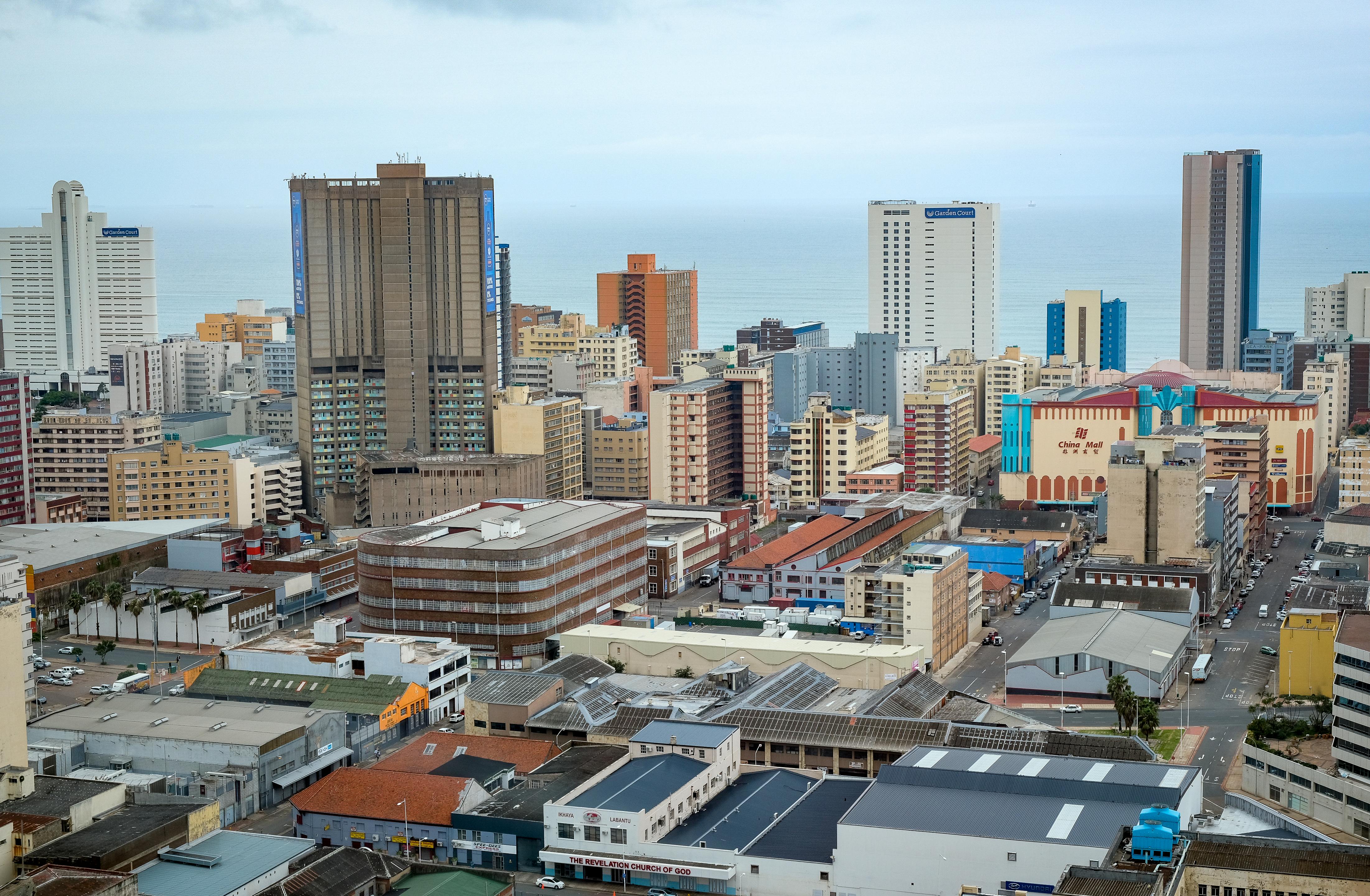
Taxes for People With a South African Digital Nomad Visa
One of the biggest questions for remote workers considering South Africa is whether they’ll be taxed locally. The short answer is: not necessarily, but it depends on your tax residency status and how long you stay.
South Africa determines tax residency using a combination of factors, including where your primary home is located (known as the “ordinary residence” test) and how many days you spend in the country over time (the “physical presence” test). Under the physical presence test, you may be considered a tax resident if you spend more than 91 days in the current tax year, more than 91 days in each of the previous five tax years, and more than 915 days in total over those five years.
If you meet these criteria, you could be classified as a South African tax resident and may be taxed on your worldwide income, not just income earned within South Africa.
However, many digital nomads may not become tax residents, especially if they stay for shorter periods and maintain tax residency in another country. In general, spending less than 183 days in South Africa within a 12-month period is often used as a practical guideline, although it does not automatically determine your tax status on its own.
It’s important to note that South Africa does not currently offer a blanket tax exemption specifically for digital nomad visa holders. Your tax obligations will depend on your individual circumstances, including how long you stay and where your income is sourced.
In summary:
You may not need to pay tax in South Africa if your income is foreign-sourced and you do not become a tax resident
Staying for shorter periods can help reduce the likelihood of triggering tax residency
If you’re unsure, it’s a good idea to consult a cross-border tax professional to ensure full compliance
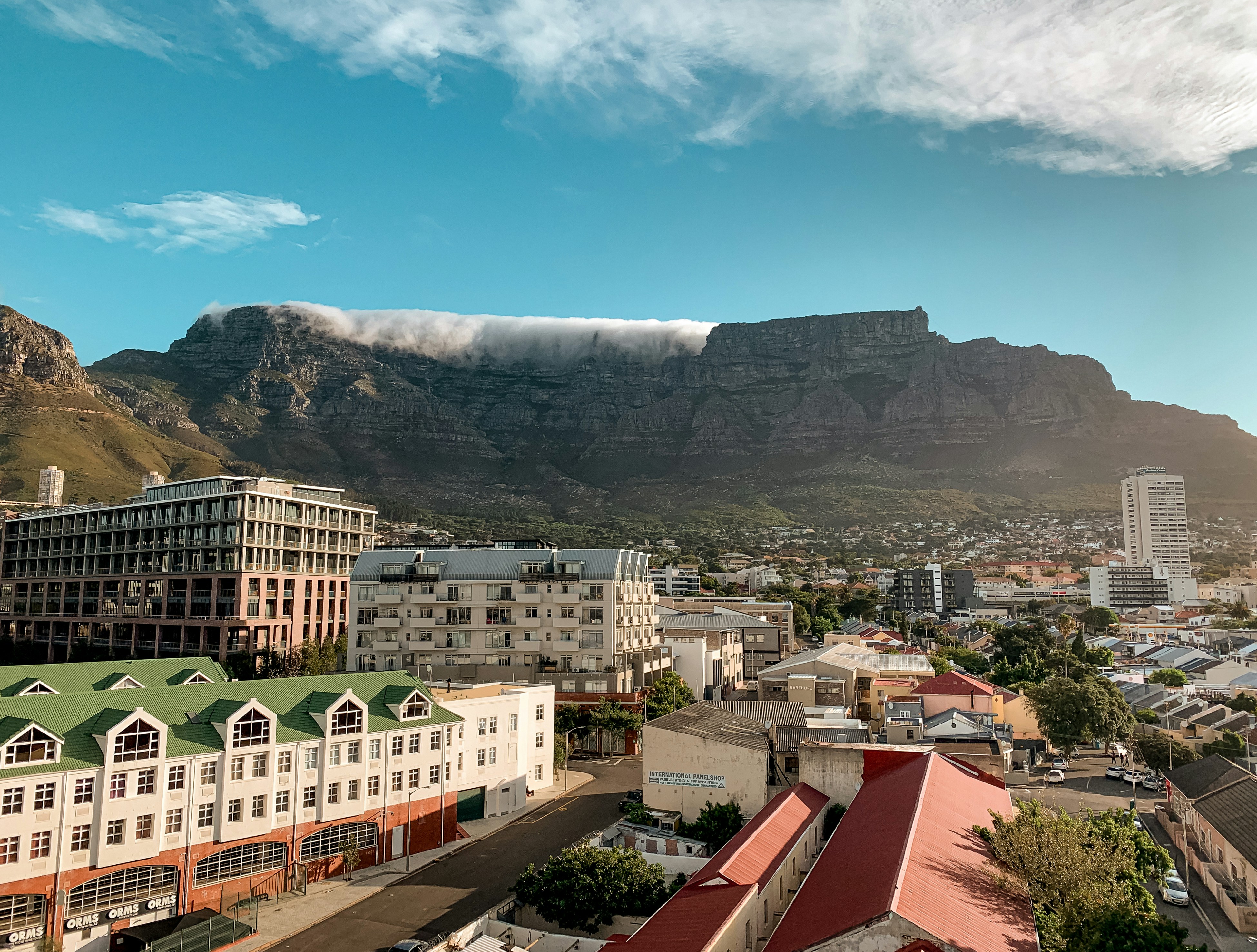
Living in South Africa as a Digital Nomad
South Africa offers an unbeatable mix of lifestyle, scenery, and value, making it an increasingly popular choice for remote workers. From vibrant cities like Cape Town and Johannesburg to coastal gems like Durban or the Garden Route, you’ll find coworking spaces, reliable internet, and a growing community of freelancers, tech workers, and entrepreneurs. The cost of living is relatively affordable compared to other major nomad hubs, allowing digital nomads to enjoy a high quality of life. Whether that means working from a beachside café, hiking in the Drakensberg, or exploring world-class wine regions after hours.
Day-to-day life is easy to settle into, especially in urban centers where infrastructure and amenities are strong. English is widely spoken, which removes language barriers, and many areas have modern apartments, shopping centers, and international cuisine. Just be mindful of safety and healthcare. South Africa has both public and private healthcare systems, but most digital nomads opt for comprehensive international insurance. With good planning and awareness, living in South Africa as a digital nomad can be not only comfortable but genuinely inspiring.
Best Cities to Live in South Africa
South Africa is a geographically and culturally diverse country, offering digital nomads a wide range of lifestyle options. Whether you're looking for urban energy, coastal relaxation, or natural beauty, these three cities consistently stand out:
Cape Town
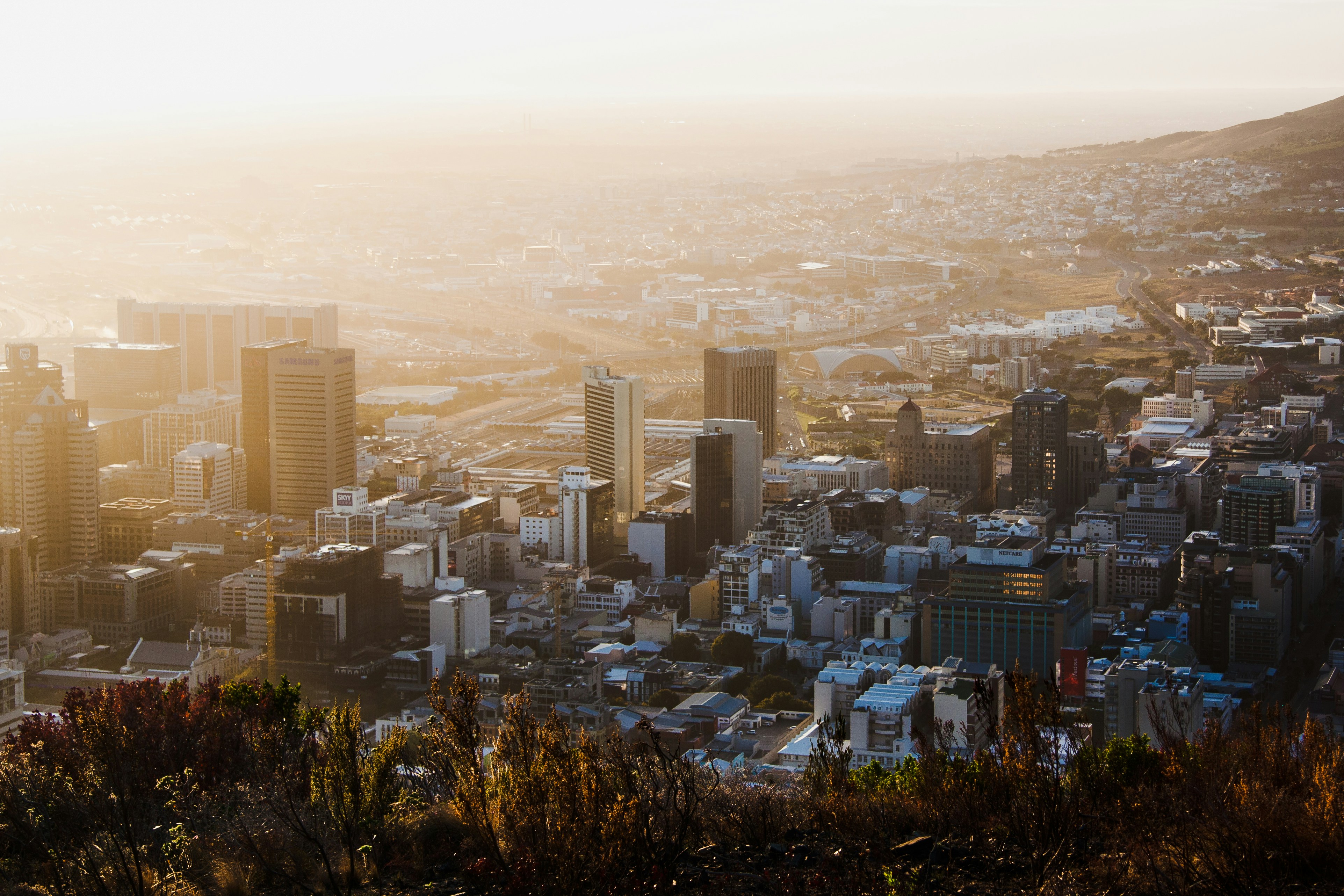
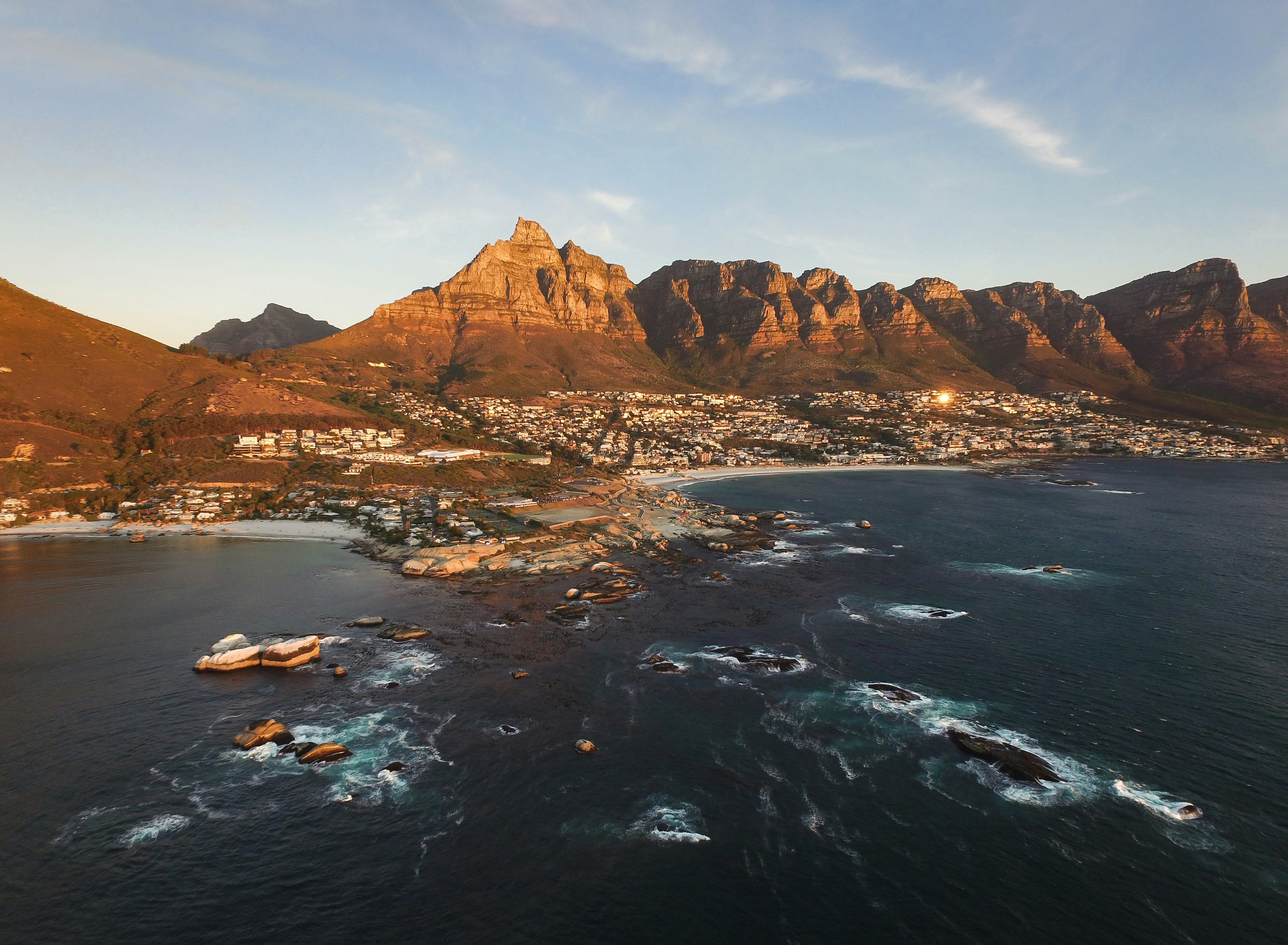
Often ranked among the most beautiful cities in the world, Cape Town is a top choice for digital nomads. With its stunning beaches, Table Mountain views, lively café culture, and fast-growing tech and startup scene, it offers an ideal blend of work and play. You'll find excellent coworking spaces, reliable Wi-Fi, and plenty of activities—from surfing and hiking to wine tasting in nearby Stellenbosch. The lifestyle is laid-back, yet cosmopolitan.
Johannesburg
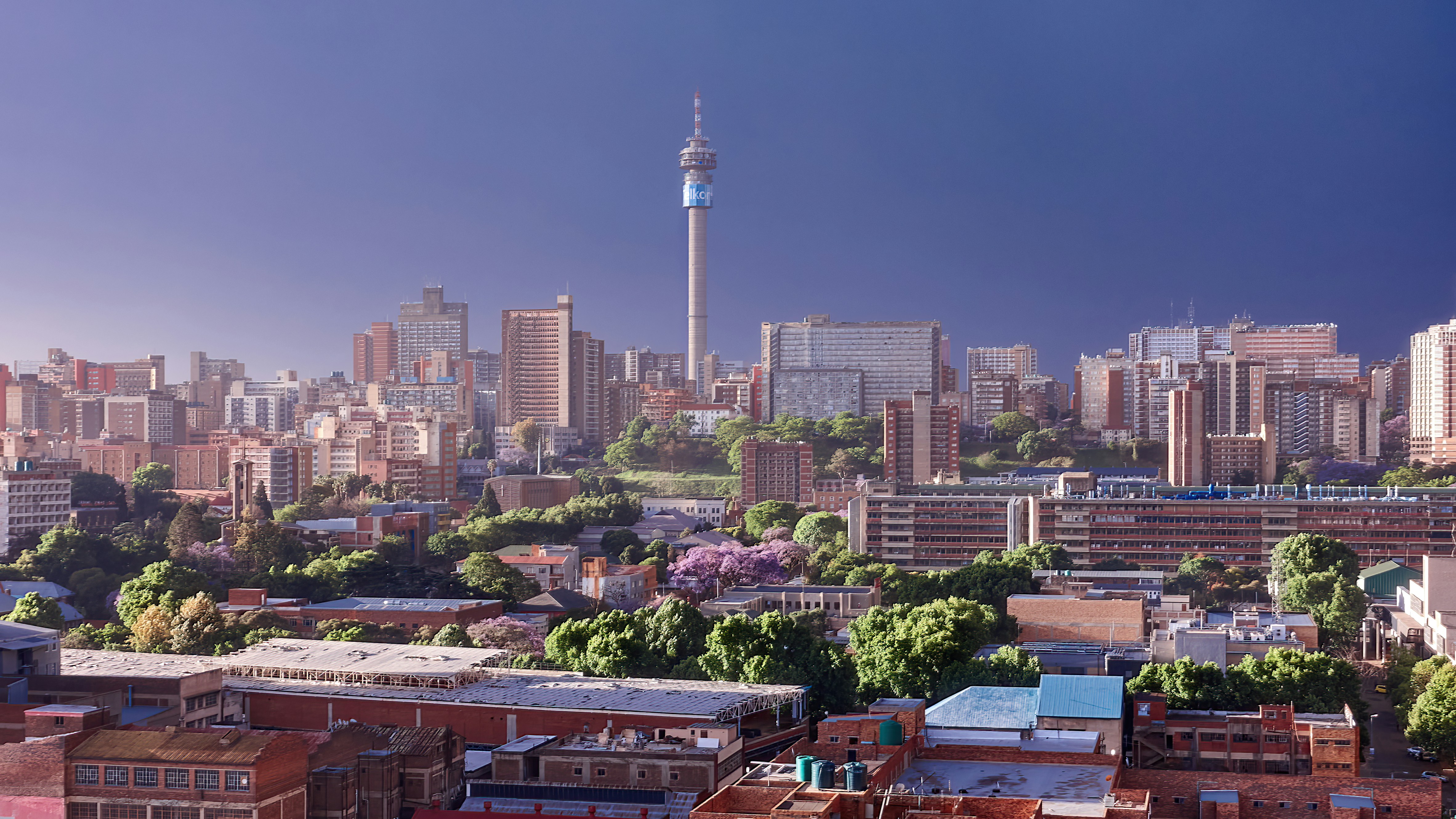
As South Africa’s economic powerhouse, Johannesburg (or "Joburg") is perfect for digital nomads who thrive in dynamic, urban environments. The city has a vibrant arts and music scene, a diverse food culture, and some of the best infrastructure in the country. It's also a great base if you plan to explore more of southern Africa, with OR Tambo International Airport offering excellent flight connections. While safety should be considered, many neighborhoods like Rosebank and Sandton are modern, secure, and ideal for remote work.
Durban
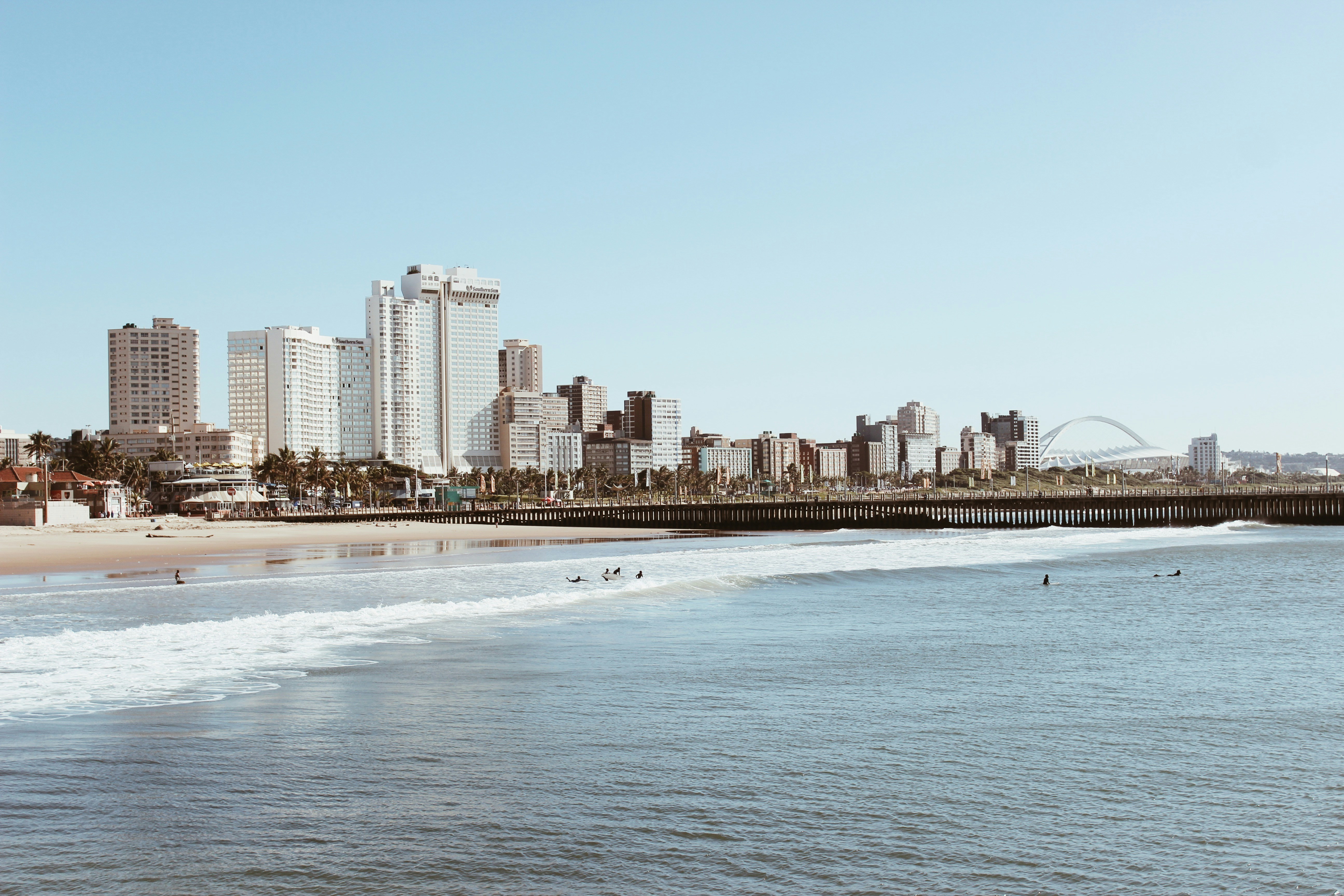
For a more relaxed coastal lifestyle with warm weather year-round, Durban is a fantastic alternative. It boasts beautiful beaches, a subtropical climate, and a rich blend of Zulu, Indian, and colonial influences. While it’s less international than Cape Town or Johannesburg, Durban is more affordable, less crowded, and increasingly appealing to digital nomads looking for an off-the-beaten-path experience. It’s a great spot if you value a slower pace without sacrificing modern comforts.
Cost of Living
The official currency of South Africa is the South African rand (ZAR). 1 ZAR = approximately USD $0.0524
The average net monthly salary in South Africa is around R 18,098, which equates to approximately USD $948 .
Here’s a rundown of what you should expect to pay in different cities:
Cape Town
Rent (1 bedroom in city centre): $774 per month
Rent (3 bedrooms outside city centre): $996 per month
Basic Utilities: $96 per month
Wi‑Fi (60 Mbps unlimited): $42 per month
Public Transport (one‑way ticket): $1.10
Groceries (2 people): $300–600 per month
Johannesburg
Rent (1 bedroom in city centre): $412 per month
Rent (3 bedrooms outside city centre): $657 per month
Basic Utilities: $72 per month
Wi‑Fi (60 Mbps unlimited): $39–44 per month
Public Transport (one‑way ticket): $1.62
Groceries (2 people): $250–500 per month
Durban
Rent (1 bedroom in city centre): $347 per month
Rent (3 bedrooms outside city centre): $550 per month
Basic Utilities: $136 per month
Wi‑Fi (60 Mbps unlimited): $36 per month
Public Transport (one‑way ticket): $1.66
Groceries (2 people): $320–640 per month
FAQs
Can I bring my spouse or children on the Digital Nomad Visa?
Yes, you can apply to bring dependents such as your spouse or children. However, they must submit their own supporting documentation (like birth or marriage certificates), and additional visa fees may apply. Make sure to check with the South African consulate or visa processing center for the most up-to-date family application requirements.
Do I need to pay tax in South Africa if I’m on a Digital Nomad Visa?
Not necessarily. If you stay in South Africa for less than 183 days in any 12-month period, you generally won’t be considered a tax resident and won’t be taxed on your foreign income. However, tax laws are subject to change, and you should consult with a tax advisor familiar with international residency and South African tax rules.
Can I work for a South African company while on this visa?
No. The Digital Nomad Visa is strictly for remote workers employed by or contracted to companies outside of South Africa. It does not permit you to take up local employment or freelance for South African businesses.
How long is the visa valid for?
As of 2025, the South Africa Digital Nomad Visa allows for a stay of up to one year, with the possibility of renewal depending on the specific regulations and your ongoing eligibility. Always confirm with the consulate before applying.
Is it easy to get mobile data and internet access in South Africa?
Yes. Major cities like Cape Town, Johannesburg, and Durban offer reliable internet and mobile coverage. SIM cards with prepaid data are widely available, and most digital nomads use providers like Vodacom, MTN, or Rain for both mobile and home data plans.
Can I get help applying for the South Africa Digital Nomad Visa?
If you need help applying for a visa, you can talk to Citizen Remote. Get specific advice from one of our experts, or outsource the entire application to our team.
Author
)
Nadia Dardón is a content creator from Guatemala. She has worked fully remotely for the past six years as a copywriter, editor, and content creator, working for different industries. She started her digital nomad journey in 2022 and currently lives as an expat in Spain.


