
Croatia Digital Nomad Visa - 2026 Update
)
Nadia Dardón
Immigration Content Writer
Last update
)

Croatia Rating from Citizen Remote
Overall  4.4
4.4

Internet Infrastructure 4.0
Country Stability 4.0
Cost of Living 5.0
Ease of Obtaining Visa 4.0
Taxes 5.0
Quick Visa Facts

Visa length Up to 18 months

Possible to extend? o, the permit cannot be renewed consecutively. To apply again, you must leave Croatia for at least 6 months before submitting a new application

Who can apply? Non-EU/EEA/Swiss citizens who work remotely for foreign employers, freelancers, or self-employed individuals with foreign income

Minimum Income Requirements At least €2,539.31 per month or €30,471.72 in savings for the duration of the stay

Time for visa applications Typically 2–4 weeks, but can take up to 30–60 days
Want to know if you can apply?
Complete a visa quiz and see if you qualify!
This article was updated in 2026 to reflect the latest official information on the Croatia Digital Nomad Visa, including updated stay duration, income requirements, application process, and key regulations based on current government guidelines.
Dreaming of working remotely with the Adriatic Sea as your backdrop? Croatia has quickly become one of Europe’s most attractive destinations for digital nomads, thanks to its dedicated digital nomad residence permit.
Often referred to as the Croatia Digital Nomad Visa, this program allows remote workers, freelancers, and online business owners from outside the EU/EEA to legally live in Croatia for up to one year, while benefiting from no local income tax on foreign earnings.
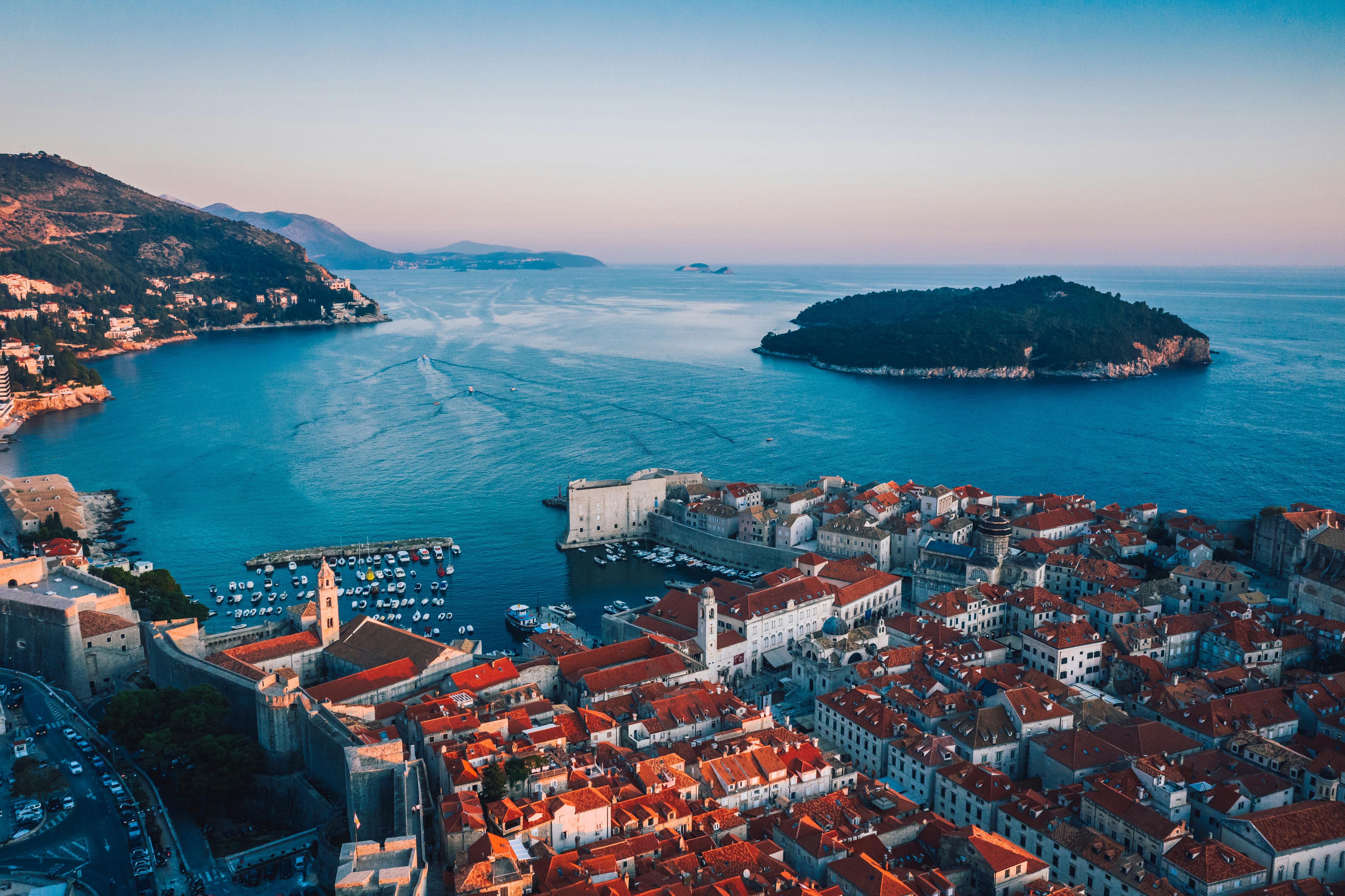
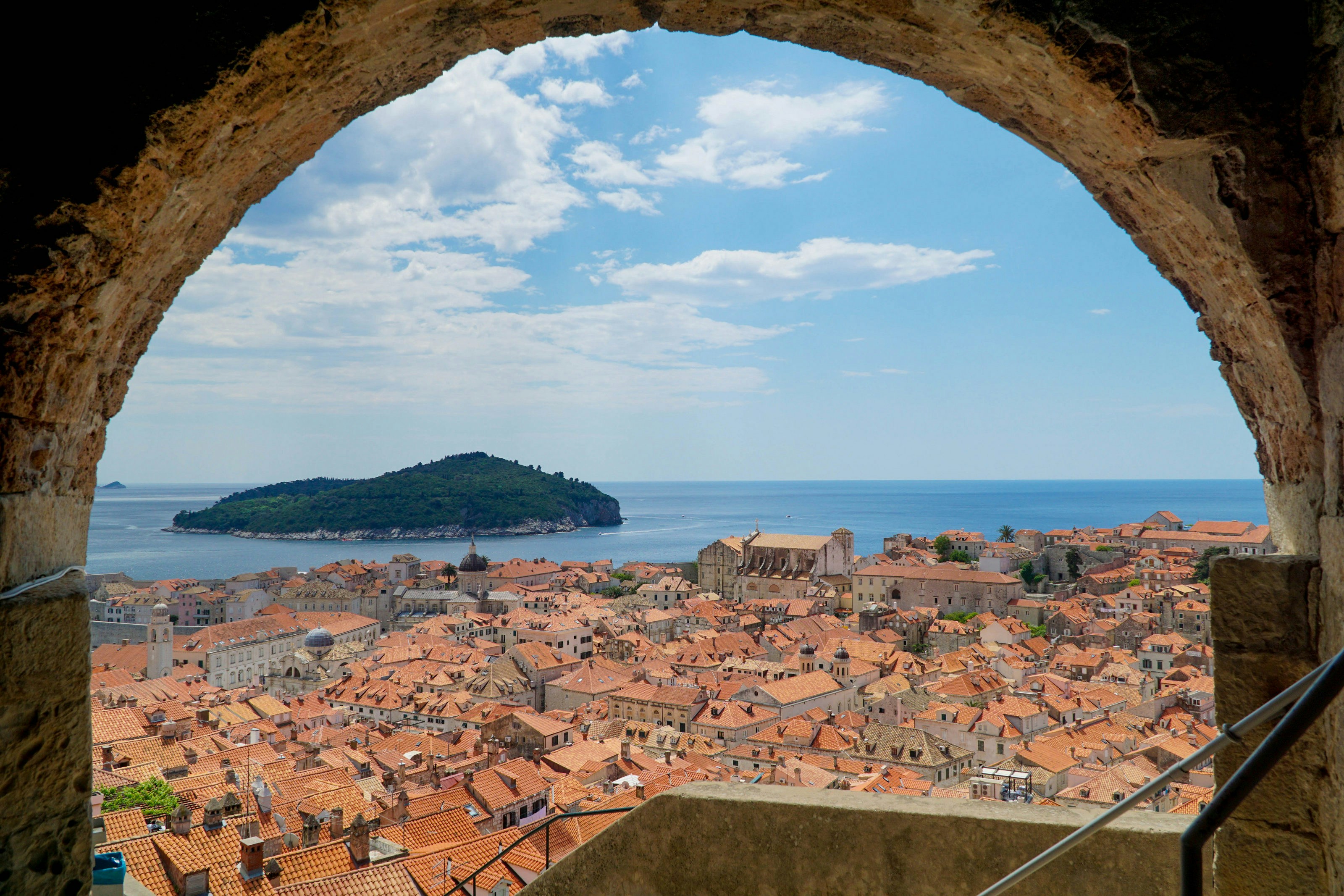
Whether you’re drawn to the historic streets of Dubrovnik, the café culture of Zagreb, or the laid-back island lifestyle of Hvar, this visa opens the door to living and working in one of Europe’s most scenic countries.
In this guide, we’ll walk you through everything you need to know, from requirements and income thresholds to the application process, costs, and practical tips to help you settle in smoothly.
Croatia Digital Nomad Visa Overview
The Croatia Digital Nomad Visa, officially known as a temporary residence permit for digital nomads, was introduced in January 2021 to attract remote workers, freelancers, and entrepreneurs who earn income from abroad.
This permit allows non-EU/EEA nationals to live in Croatia while working remotely for foreign companies or clients. It’s designed specifically for location-independent professionals who want to enjoy life in Croatia without entering the local labor market.
The residence permit is valid for up to 18 months and cannot be renewed consecutively. To apply again, you must leave Croatia for at least 6 months before submitting a new application.
Unlike a traditional work visa, this program does not allow you to work for Croatian employers or clients. However, it does offer a major advantage: foreign-earned income is exempt from Croatian income tax, making it an attractive option for digital nomads.
Who Is It For?
Citizens of countries outside the EU/EEA and Switzerland
Remote employees working for companies registered abroad
Freelancers and self-employed individuals with non-Croatian clients
Applicants who can prove sufficient income or savings
Family members of digital nomads (spouse, children, or unmarried partner) applying through family reunification
What Does It Allow You to Do?
Live in Croatia for up to 18 months under a temporary residence permit
Work remotely for foreign employers or clients
Bring close family members under family reunification rules
Benefit from no Croatian income tax on foreign income
Access everyday services like renting property, opening a bank account, and integrating into local life
Croatia Digital Nomad Visa Requirements
To apply for the Croatia Digital Nomad Visa, you’ll need to prepare a set of standard documents along with a few requirements specific to remote workers.
Basic documents needed:
Completed application form for temporary stay.
Valid passport (at least 3 months beyond your intended stay)
Passport-size photos
Proof of accommodation in Croatia (rental agreement, property ownership, or host confirmation)
Criminal background check (not older than 6 months)
Proof of remote work (employment contract, client agreements, or business ownership documents showing you work with non-Croatian companies or clients)
Proof of paid administrative fees
Proof of Financial Self-Sufficiency
You must demonstrate that you can financially support yourself during your stay in Croatia.
Accepted options:
Monthly income: At least €2,539.31 per month
Savings: At least €30,471.72 for a 18-month stay
These thresholds are based on 2.5 times the average net salary in Croatia and may be slightly adjusted over time.
If applying with family members, the required amount increases accordingly.
Private Health Insurance
You must have valid private health insurance covering your entire stay in Croatia.
Must cover medical expenses in Croatia
Must be valid for the full duration of your permit
Travel insurance is not accepted; it must be long-term residency health insurance. You can find our recommendations for the best health insurance plans for digital nomads here.
Accommodation Confirmation
You’ll need to provide proof of where you’ll be staying in Croatia.
Accepted documents include:
A signed rental agreement
Proof of property ownership
A hotel or temporary booking (especially for initial application stages)
This address is also used to determine which local police authority processes your application.
Criminal Background Check
A clean criminal record is required.
Must be issued by your country of residence (or any country where you’ve lived for more than 1 year in the past 5 years)
Must be apostilled or legalized
Must be issued within the last 6 months
How to Apply for the Croatia Digital Nomad Visa – Step-by-Step Instructions
Applying for the Croatia Digital Nomad Visa is a relatively straightforward process that can be completed either online or in person, depending on your situation.
Step 1 – Gather Your Documentation
Before starting your application, make sure all your documents are prepared, accurate, and up to date. This includes your identification, proof of remote work, financial means, and health insurance. Since you’ve already seen the full list above, the key here is to double-check that everything meets official requirements—especially translations, apostilles, and validity dates. Taking the time to organize your documents properly can prevent delays later on.
Step 2 – Submit Your Application
Once everything is ready, you can submit your application through the method that best suits your situation. Many applicants choose to apply online through the Ministry of the Interior portal for convenience, while others apply through a Croatian embassy or consulate abroad. If you’re already in Croatia legally, you can also apply at a local police station. Whichever route you choose, accuracy is essential—small mistakes or missing details can slow down the process.
Step 3 – Pay the Application Fees
After submitting your application, you’ll be required to pay the relevant government fees. The exact amount may vary slightly depending on where and how you apply, but payment is a necessary step before your application can move forward. Be sure to keep your payment confirmation, as you may need to present it later.
Step 4 – Wait for Processing
Once your application is submitted and paid for, it will be reviewed by Croatian authorities. Processing typically takes a few weeks but can extend up to 30–60 days in some cases. During this time, you might be contacted for additional information or clarification, so it’s important to stay responsive and check your email regularly.
Step 5 – Receive Your Approval
If your application is successful, you’ll receive confirmation of your temporary residence permit, allowing you to live in Croatia for up to 18 months as a digital nomad. At this stage, you can start preparing for your move, including securing long-term accommodation and setting up essential services.
Step 6 – Register Your Address in Croatia
After arriving in Croatia, you’ll need to register your address at the nearest police station within three days. This is a mandatory step that finalizes your residence status. While the process is usually straightforward, it’s best to plan ahead in case appointments are required.
Step 7 – Collect Your Biometric Residence Card
The final step is obtaining your biometric residence card, which serves as official proof of your legal stay in Croatia. Once you have it, you’ll be able to handle everyday tasks like opening a bank account, signing a lease, and accessing local services with ease.
Croatia Stay Requirements With the Digital Nomad Visa
Once you’ve been granted the Croatia temporary residence permit for digital nomads, you’ll need to follow a few key rules to remain compliant during your stay.
The permit allows you to live in Croatia for up to 18 months, during which you must continue working remotely for employers or clients based outside the country. Working for Croatian companies or providing services to local clients is not permitted under this scheme.
You are required to reside at your registered address, and any change must be reported to the local authorities (typically within three days) at the nearest police station. Keeping your address updated is essential, as failure to do so can lead to fines or complications with your residence status.
Throughout your stay, you must maintain proof of sufficient financial means and ensure your private health insurance remains valid for the full duration of your permit. These are ongoing requirements, not just conditions for approval.
While you’re free to travel in and out of Croatia during your stay, it’s important to understand that this permit is not designed for continuous renewal. The residence permit is valid for up to 18 months and cannot be renewed consecutively. If you wish to apply again, you must leave Croatia and remain outside the country for at least 6 months before submitting a new application.
If you’re joined by family members, they must also comply with residence requirements, including address registration and maintaining valid health insurance. It’s also important to note that family members do not automatically benefit from the same tax exemptions as the main applicant.
Following these requirements will help ensure your stay in Croatia remains smooth, legal, and stress-free, so you can focus on working remotely and enjoying everything the country has to offer.
How Much Does the Croatia Digital Nomad Visa Cost?
Applying for the Croatia Digital Nomad Visa comes with relatively low government fees compared to many other digital nomad programs.
Rather than a single fixed visa fee, the total cost is made up of a few smaller administrative charges. These typically include the application processing fee and the issuance of your biometric residence card. In most cases, the total government cost falls between €60 and €100, depending on where and how you apply.
In addition to these official fees, applicants should also budget for supporting documents. This may include obtaining a criminal background check, as well as translation and apostille or legalization costs if required. You’ll also need private health insurance that covers your stay in Croatia, which typically ranges from €30 to €100 per month, depending on the provider and level of coverage.
Other potential expenses include document notarization and any administrative costs related to proving your financial means. While these are not government fees, they are essential for completing your application successfully.
Overall, the Croatia Digital Nomad Visa remains one of the more affordable options in Europe. Planning ahead for both the official fees and supporting costs will help ensure a smooth and stress-free application process.
 Common Reasons Croatia Digital Nomad Visa Applications Get Rejected
While the Croatia Digital Nomad Visa process is relatively straightforward, applications can still be denied, usually due to avoidable mistakes.
Here are the most common reasons:
Insufficient proof of income: If your bank statements or income documents don’t clearly meet the minimum threshold, or the amounts are inconsistent, your application may be rejected.
Unclear proof of remote work: You must demonstrate that you work for non-Croatian companies or clients. Missing contracts, vague job descriptions, or unclear business activity can raise concerns.
Incomplete or improperly prepared documents: Missing paperwork, expired documents, or a lack of required apostilles/translations, especially for criminal background checks, are common reasons for rejection.
Invalid or unverifiable accommodation: Providing unclear, temporary, or incorrect address details can delay or negatively impact your application.
Inconsistencies in your application: Mismatched information across documents (such as income figures, employment details, or dates) can reduce credibility and lead to denial.
Taking the time to carefully prepare your application, double-check your documents, and ensure consistency across all information can significantly improve your chances of approval.
Taxes for People with a Croatia Digital Nomad Visa
One of the biggest advantages of the Croatia Temporary Residence Permit is its favorable tax treatment for remote workers.
Under current regulations, individuals approved under this scheme are not subject to Croatian income tax on income earned from foreign sources. This applies to remote employees working for companies based outside Croatia, as well as freelancers and business owners serving international clients.
However, this tax benefit comes with an important limitation: it only applies to foreign-sourced income. If you work for a Croatian company or provide services to clients based in Croatia, that income may be subject to local taxation.
While staying in Croatia, you may be asked to demonstrate that your income continues to come from abroad. Keeping clear documentation (such as contracts, invoices, or payment records) can help ensure compliance and avoid complications.
It’s also important to understand that this tax exemption applies only within Croatia. Depending on your citizenship and tax residency status, you may still have tax obligations in your home country or another jurisdiction. Many countries require individuals to report worldwide income, even while living abroad.
Because tax situations can vary significantly, it’s always a good idea to consult a qualified tax advisor to ensure you remain compliant both in Croatia and internationally.
Living in Croatia with the Digital Nomad Visa
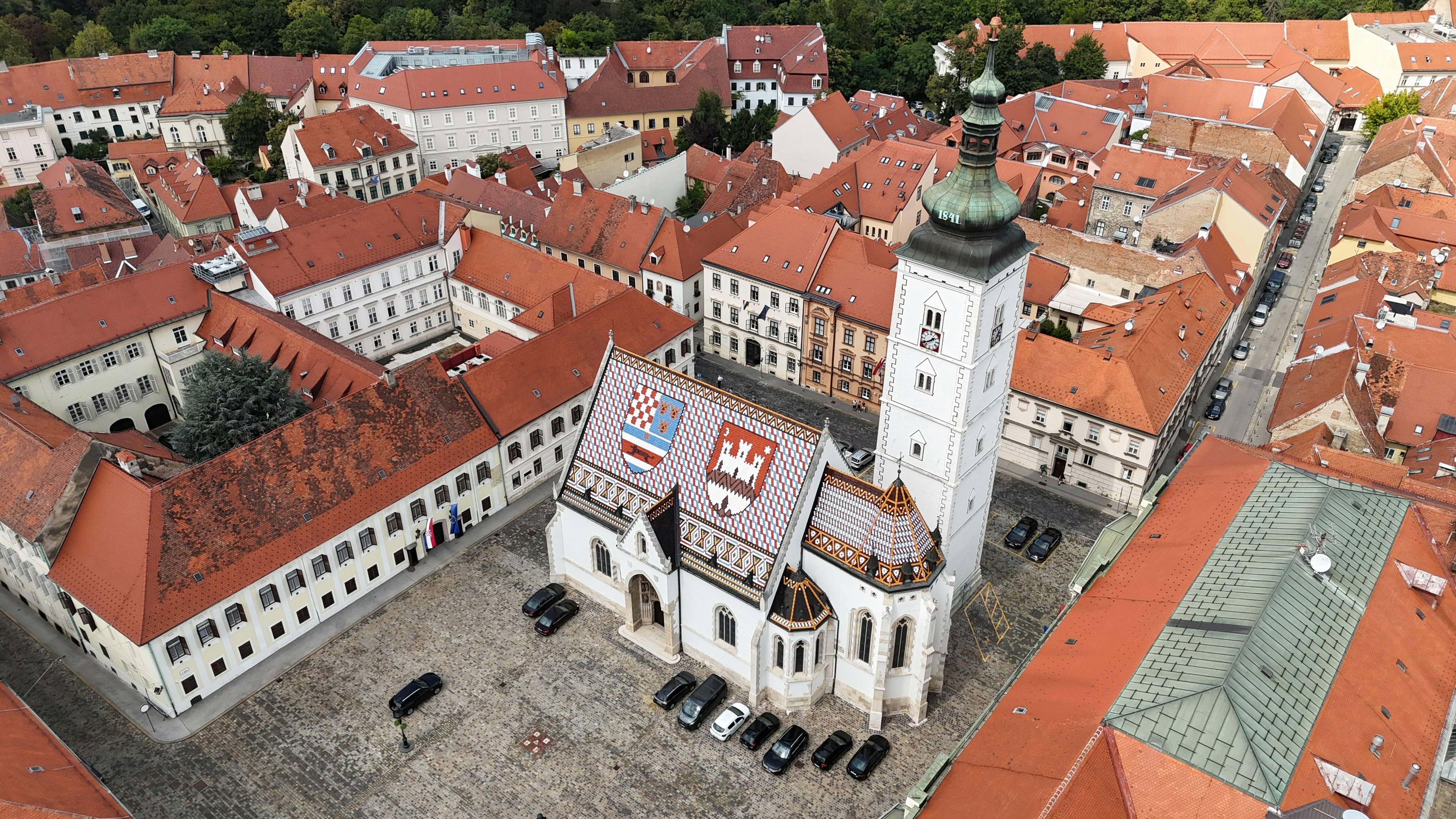
Living in Croatia as a digital nomad offers a unique blend of work flexibility and lifestyle benefits. With the digital nomad visa, you can legally reside in the country for up to 18 months while working remotely for a foreign employer or clients. This allows you to fully immerse yourself in Croatian culture without the stress of visa restrictions, while enjoying modern amenities, reliable internet, and coworking spaces in major cities like Zagreb, Split, and Dubrovnik. From the stunning Adriatic coastline to the historic old towns and vibrant café culture, Croatia offers an inspiring backdrop for remote work and creative pursuits.
Beyond the professional advantages, the visa makes it easier to enjoy day-to-day life and integrate into local communities. You can rent apartments, open bank accounts, and access healthcare, all while benefiting from a tax-exempt status on foreign income. For those traveling with family, the visa also allows spouses, children, and certain long-term partners to join you, making it a practical option for longer-term stays. Whether you’re drawn to the lively urban centers, tranquil islands, or scenic countryside, living in Croatia with the digital nomad visa combines professional freedom with the rich experiences of European life.
Best Cities to Live in Croatia
Croatia offers a variety of cities that combine modern amenities, beautiful surroundings, and vibrant cultural life, making them perfect for digital nomads. Here are three of the best cities to consider for your stay:
Zagreb
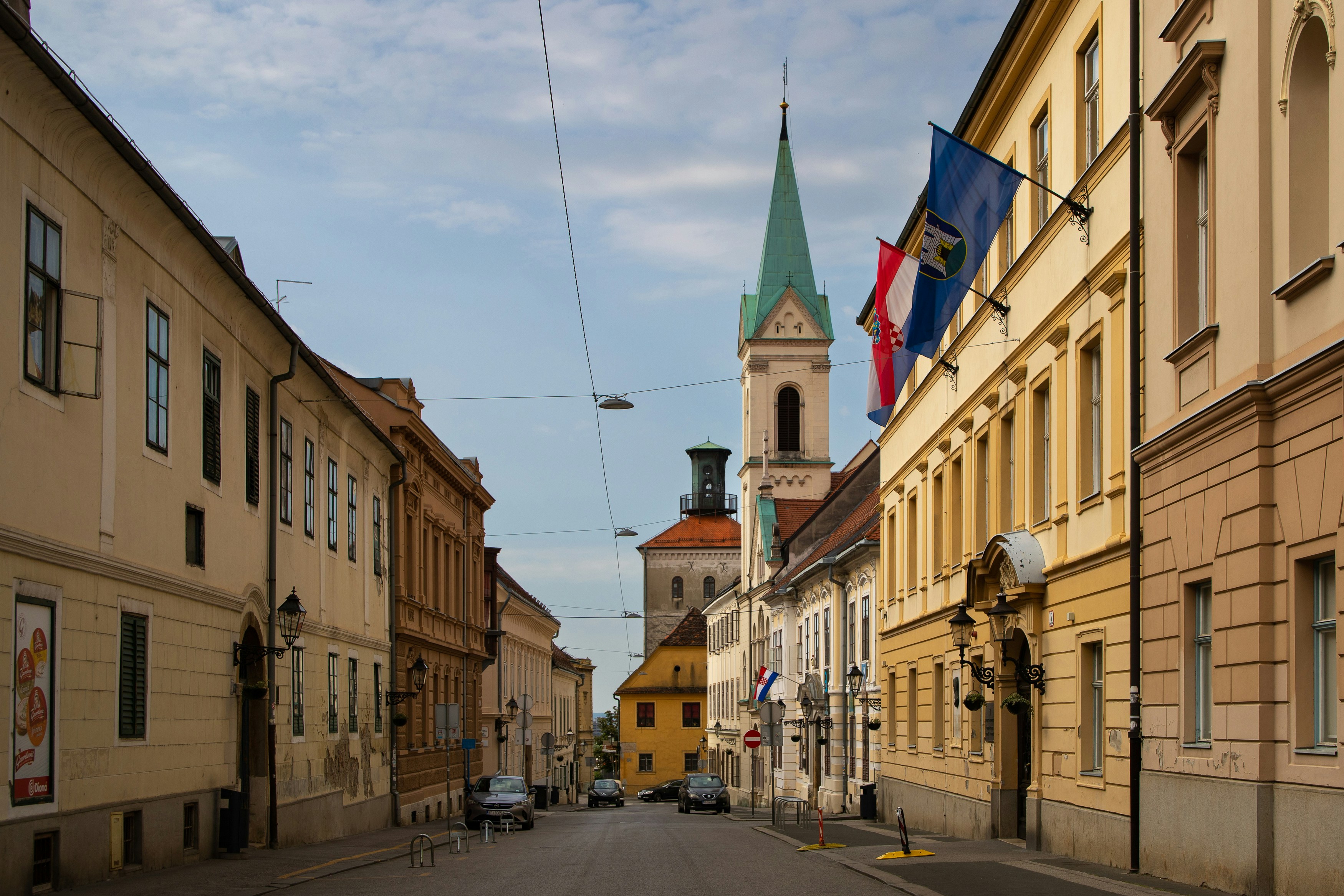
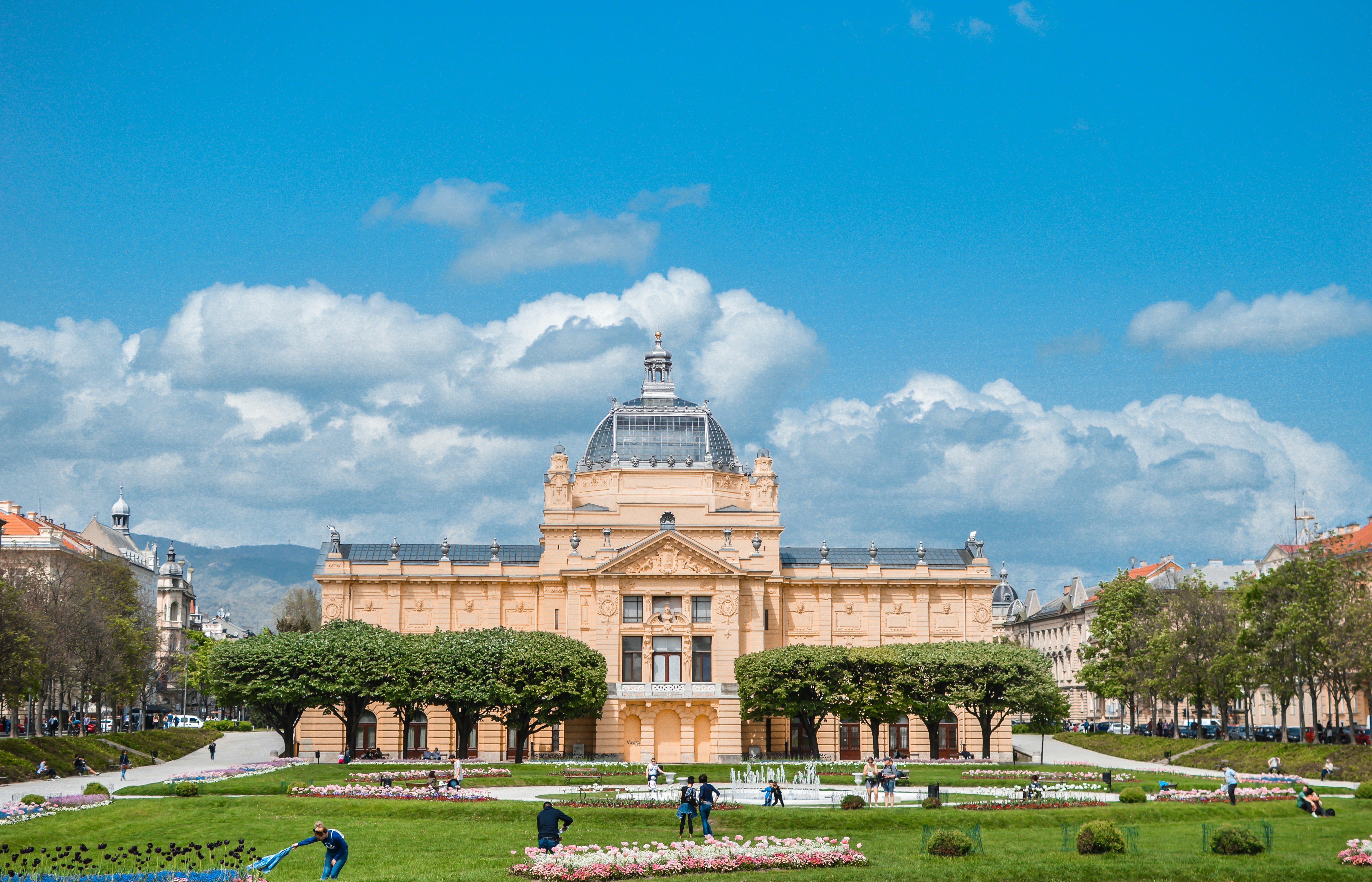
As the capital and largest city, Zagreb blends historic charm with contemporary living. It boasts a lively café culture, numerous coworking spaces, and excellent public transport, making it ideal for remote workers who want both productivity and social life. The city’s art galleries, museums, and weekly markets provide plenty of opportunities to explore after work, while its central location allows easy travel to other parts of Croatia.
Split
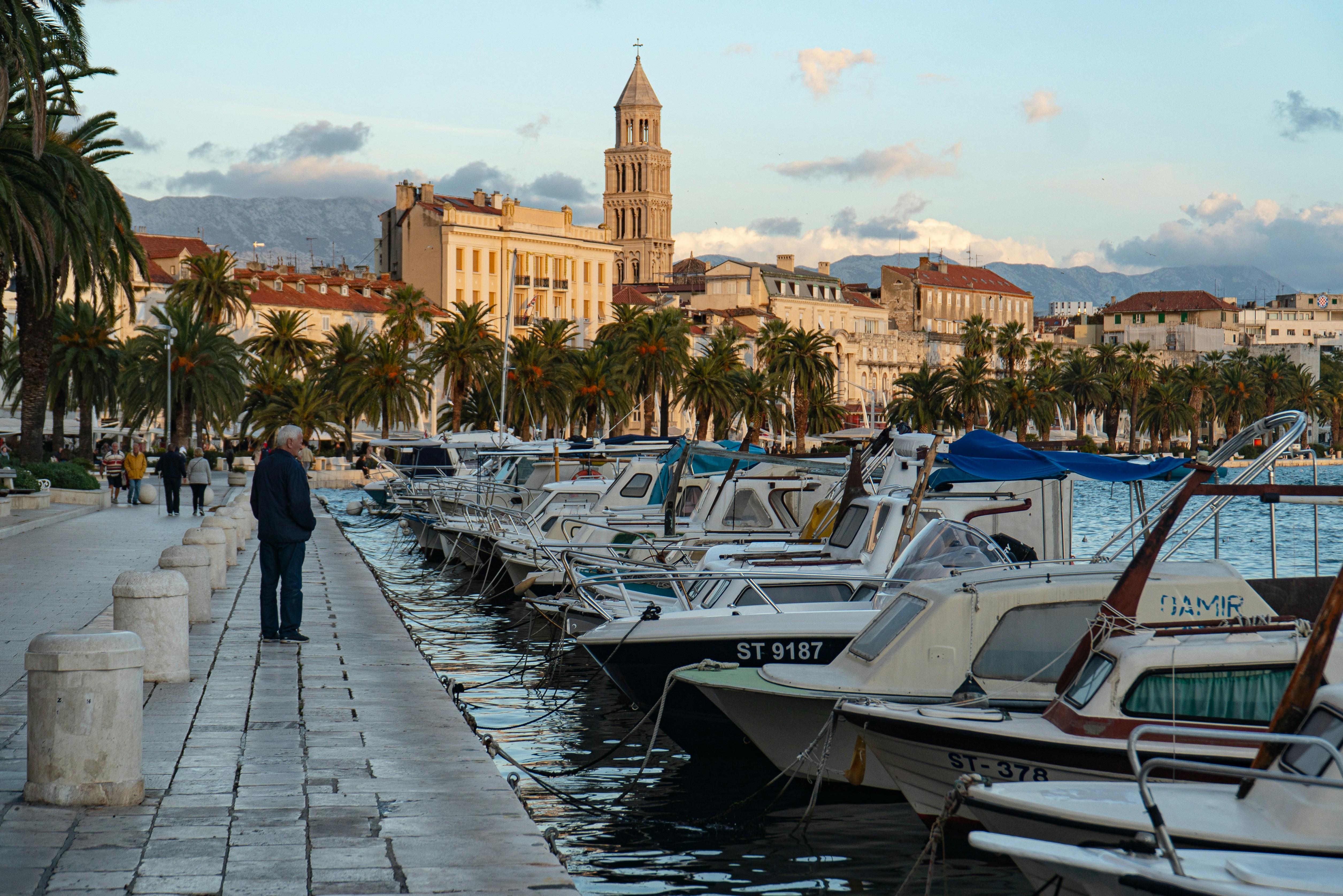
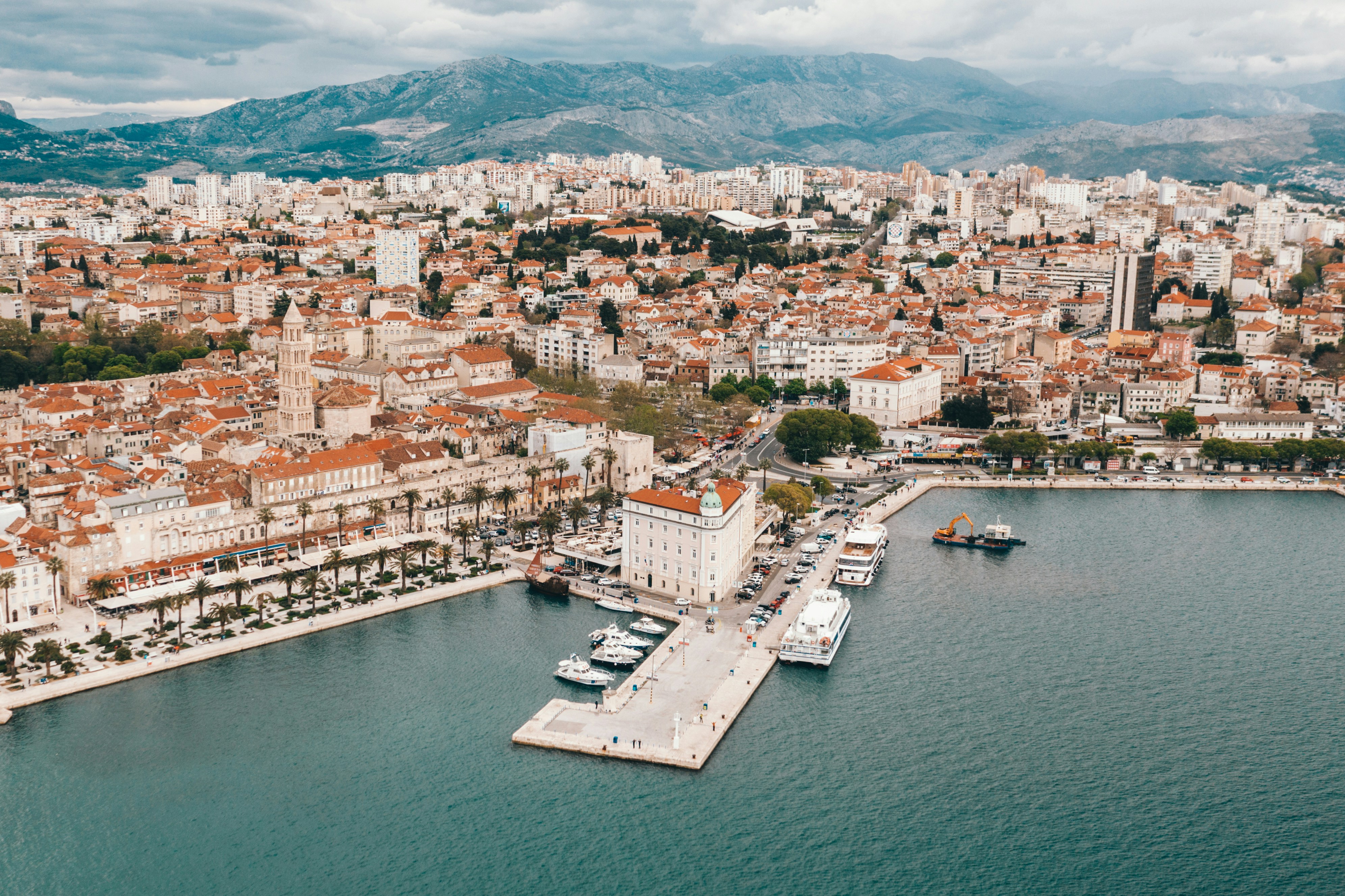
Split is a coastal city known for its stunning waterfront, Roman architecture, and vibrant lifestyle. With a mix of modern apartments and historic streets, it attracts digital nomads who enjoy working near the sea. The city has a growing network of coworking spaces, reliable internet, and numerous cafés and restaurants, all while offering access to nearby islands for weekend getaways. Split perfectly combines professional convenience with the relaxed vibe of Mediterranean life.
Dubrovnik
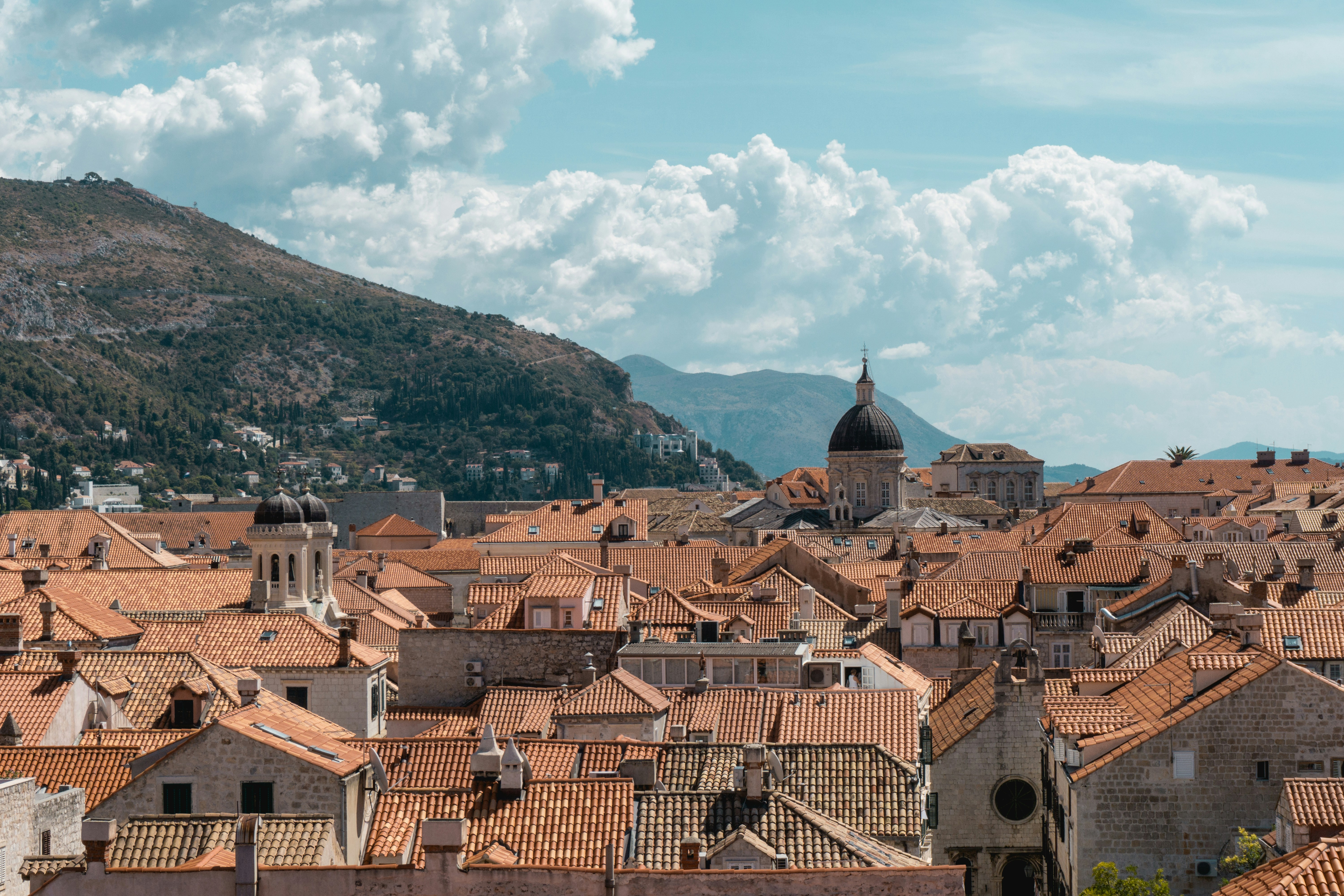
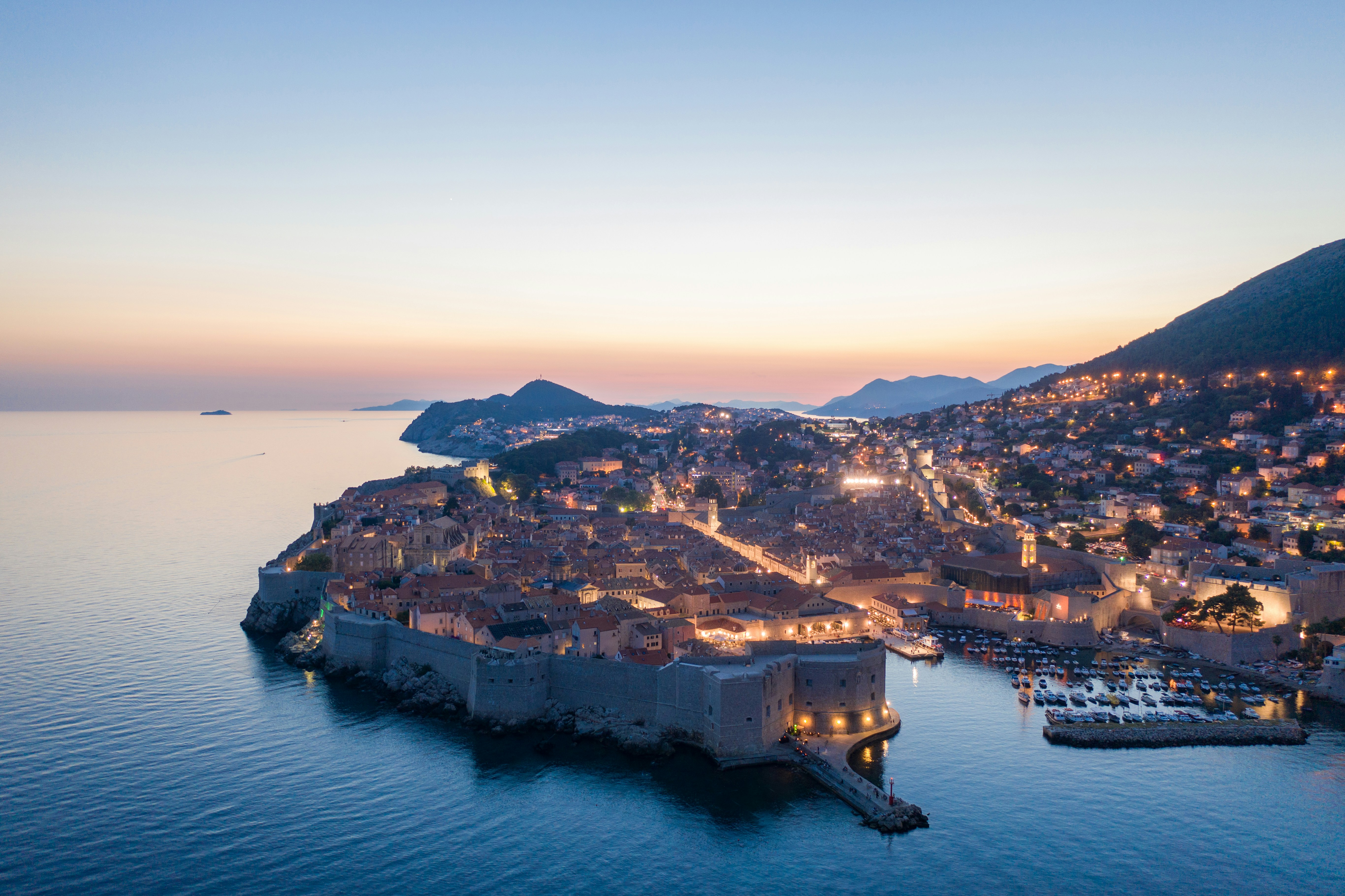
Dubrovnik, often called the “Pearl of the Adriatic,” is famous for its well-preserved medieval walls, crystal-clear waters, and charming Old Town. It’s a great choice for nomads seeking scenic inspiration and a historic atmosphere. While it is more tourist-focused and slightly more expensive than other cities, the city’s quality of life, networking opportunities among international remote workers, and breathtaking surroundings make it a unique and memorable base for your digital nomad journey.
Cost of Living
The official currency of Croatia is the euro (€). As of September 7, 2025, the exchange rate is approximately €1 = $1.07 USD.
The average net monthly salary in Croatia is around €1,318, which equates to approximately $1,375 USD.
Here’s a rundown of what you should expect to pay in different cities:
Zagreb
Rent (1 bedroom in city center): Approximately €600–€800 per month.
Rent (3 bedrooms outside city center): Around €400–€500 per month.
Basic Utilities: Typically €140 per month
Wi-Fi: Approximately €17 per month for an 8 Mbps connection.
Public Transport: A monthly pass costs about €47.
Groceries (2 people): Between €200–€400 per month.
Split
Rent (1 bedroom in city center): Approximately €600–€1,000 per month.
Rent (3 bedrooms outside city center): Around €400–€600 per month.
Basic Utilities: Typically €100–€150 per month.
Wi-Fi: Approximately €17 per month for an 8 Mbps connection.
Public Transport: A monthly pass costs about €47.
Groceries (2 people): Between €200–€400 per month.
Dubrovnik
Rent (1 bedroom in city center): Approximately €800–€1,200 per month.
Rent (3 bedrooms outside city center): Around €600–€800 per month.
Basic Utilities: Typically €140 per month.
Wi-Fi: Approximately €17 per month for an 8 Mbps connection.
Public Transport: A monthly pass costs about €47.
Groceries (2 people): Between €200–€400 per month.
FAQs
Who is eligible for the Croatia Digital Nomad Visa?
The visa is available to non-EU/EEA/Swiss citizens who work remotely for foreign companies, run their own businesses serving clients outside Croatia, or freelance for international clients. Applicants must meet the minimum income requirement, have valid health insurance, and cannot work for Croatian employers or clients.
How long can I stay in Croatia on the digital nomad visa?
You can stay in Croatia for up to 18 months under the digital nomad residence permit. The permit cannot be renewed consecutively; you must leave Croatia for at least 6 months before reapplying.
Do I have to pay taxes in Croatia while on this visa?
No. Income earned from foreign sources is not subject to Croatian income tax under this permit. However, income sourced within Croatia may be taxable, and you may still have tax obligations in your home country.
Can I bring my family with me?
Yes. Close family members, such as a spouse, children, or long-term partner, can apply for residence under family reunification. They must have valid health insurance and register their address in Croatia. It’s important to note that family members do not automatically receive the same tax benefits as the main applicant.
Can I renew the Croatia digital nomad visa?
No, the Croatia digital nomad visa cannot be renewed immediately. After your 18-month stay, you must leave Croatia for at least 6 months before applying again.
What is the income requirement for the Croatia digital nomad visa?
You must earn at least €2,539.31 per month or show savings of €30,471.72 for a 18-month stay. The required amount increases if you apply with dependents.
Can freelancers apply for the Croatia digital nomad visa?
Yes. Freelancers and self-employed individuals are eligible, as long as they work with clients based outside Croatia and meet the income requirements.
Can I travel within Europe with this visa?
Yes. Croatia is part of the Schengen Area, which allows you to travel to other Schengen countries for up to 90 days within a 180-day period.
Can I get help applying for the Croatia Digital Nomad Visa?
If you need help applying for a visa, you can talk to Citizen Remote. Get specific advice from one of our experts, or outsource the entire application to our team.
Author
)
Nadia Dardón is a content creator from Guatemala. She has worked fully remotely for the past six years as a copywriter, editor, and content creator, working for different industries. She started her digital nomad journey in 2022 and currently lives as an expat in Spain.


